The Best Time Of Year For Kayaking In Melbourne
Melbourne sits in the southern hemisphere, so summer runs December to February and the warmest month in the Bureau of Meteorology record is January at a mean maximum of 26.8 °C. Here is how to read the climate table, the daylight saving clock and the operator weather rules to pick your date.
Short answer
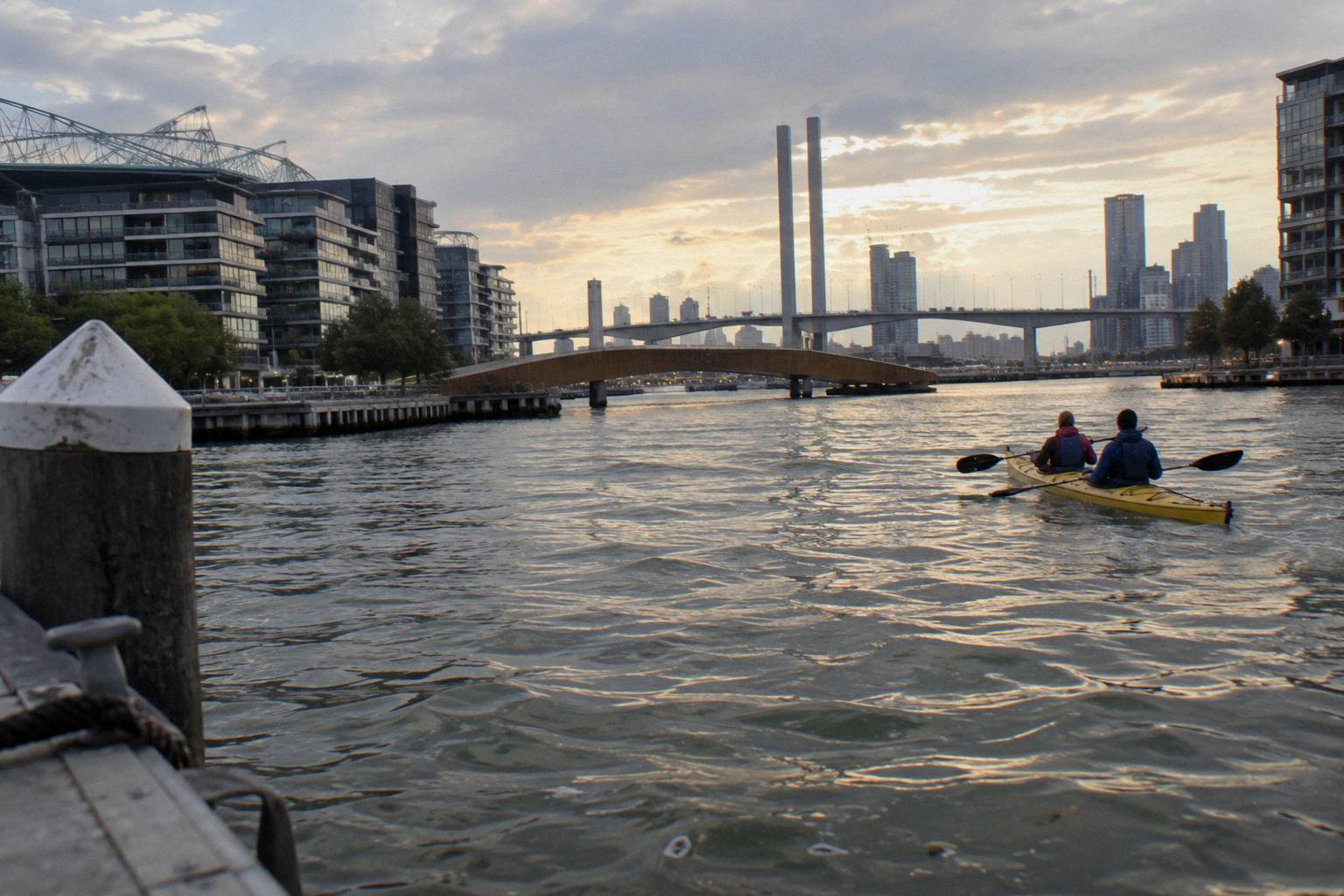
No official best month exists. Bureau of Meteorology records for Melbourne Olympic Park show January warmest at a 26.8 °C mean maximum and February with the fewest rain days at 3.6. Daylight saving runs from the first Sunday in October to the first Sunday in April, giving long evenings for the sunset trips.
No official best month exists, so the answer is built from three published sources: Bureau of Meteorology records for Melbourne Olympic Park, Victoria's daylight saving dates, and the weather and cancellation rules each operator publishes. Melbourne is in the southern hemisphere: summer is December to February and winter June to August. January is the warmest month in the record and July the coolest. The trips themselves run all year, rain or shine, so your date choice is about comfort and daylight rather than a season when paddling opens or closes.
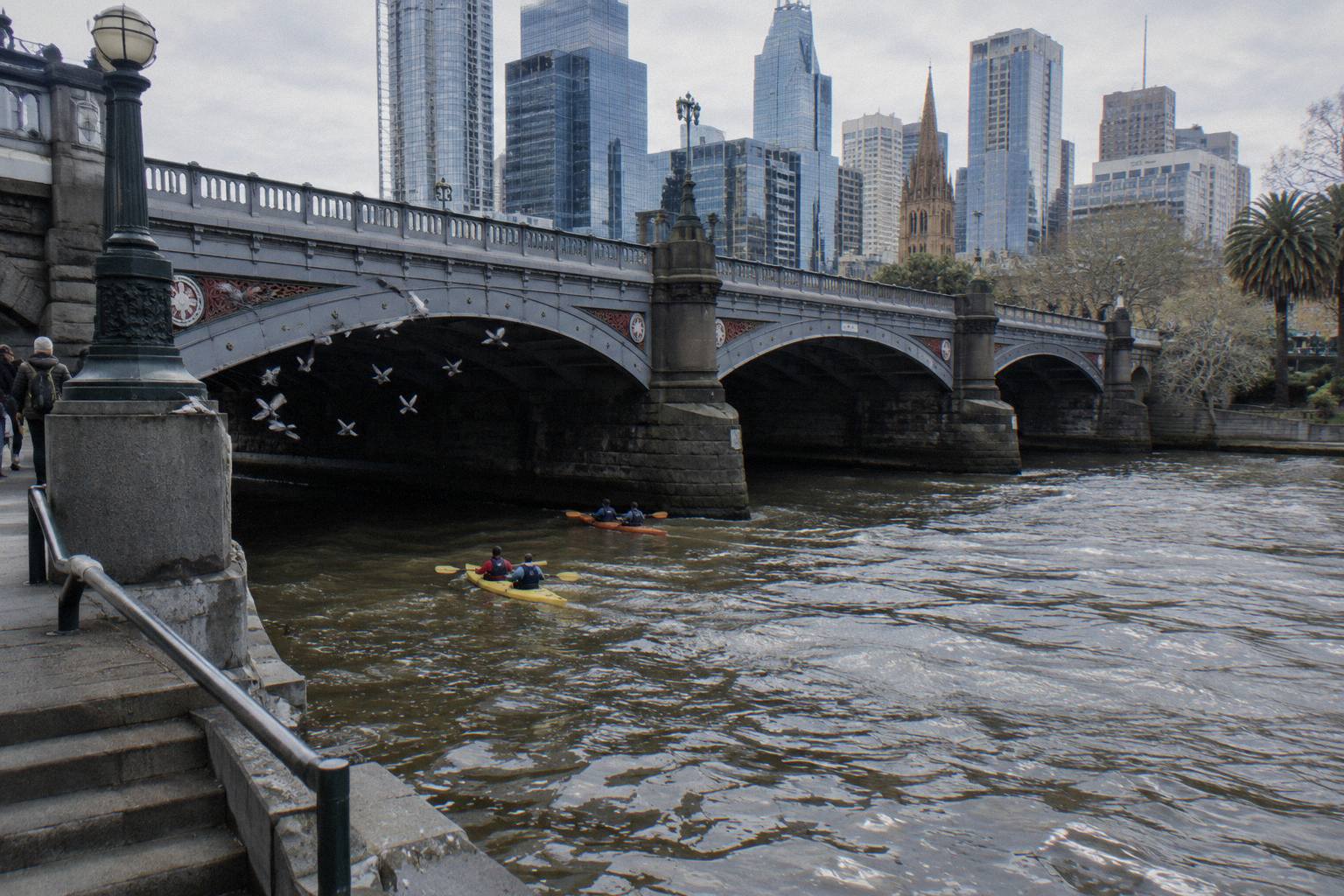
Every guided trip in Melbourne departs whatever the calendar says. Kayak Melbourne states its position plainly: "The tours run rain, hail or shine; however, we reserve the right to cancel a tour if it is unsafe". That single sentence frames the whole date decision. There is no closed season, no booking window that shuts in winter, and no month when the Yarra or Port Phillip Bay is off limits to these operators. What changes through the year is air temperature, the number of rain days, how much evening light you get, and what time the evening trips meet.
The practical differences between a February booking and a July booking are real, though. February averages 25.9 °C by day and only 3.6 rain days of a millimetre or more. July averages 14.5 °C and 9.0 such rain days. Neither figure stops a tour; both change what you wear, how late the light lasts, and whether an evening dinner paddle sounds like a treat or an endurance event. The rest of the article works through those numbers month by month, then matches them to what each trip actually offers.
How The Melbourne Climate Shapes A Paddle
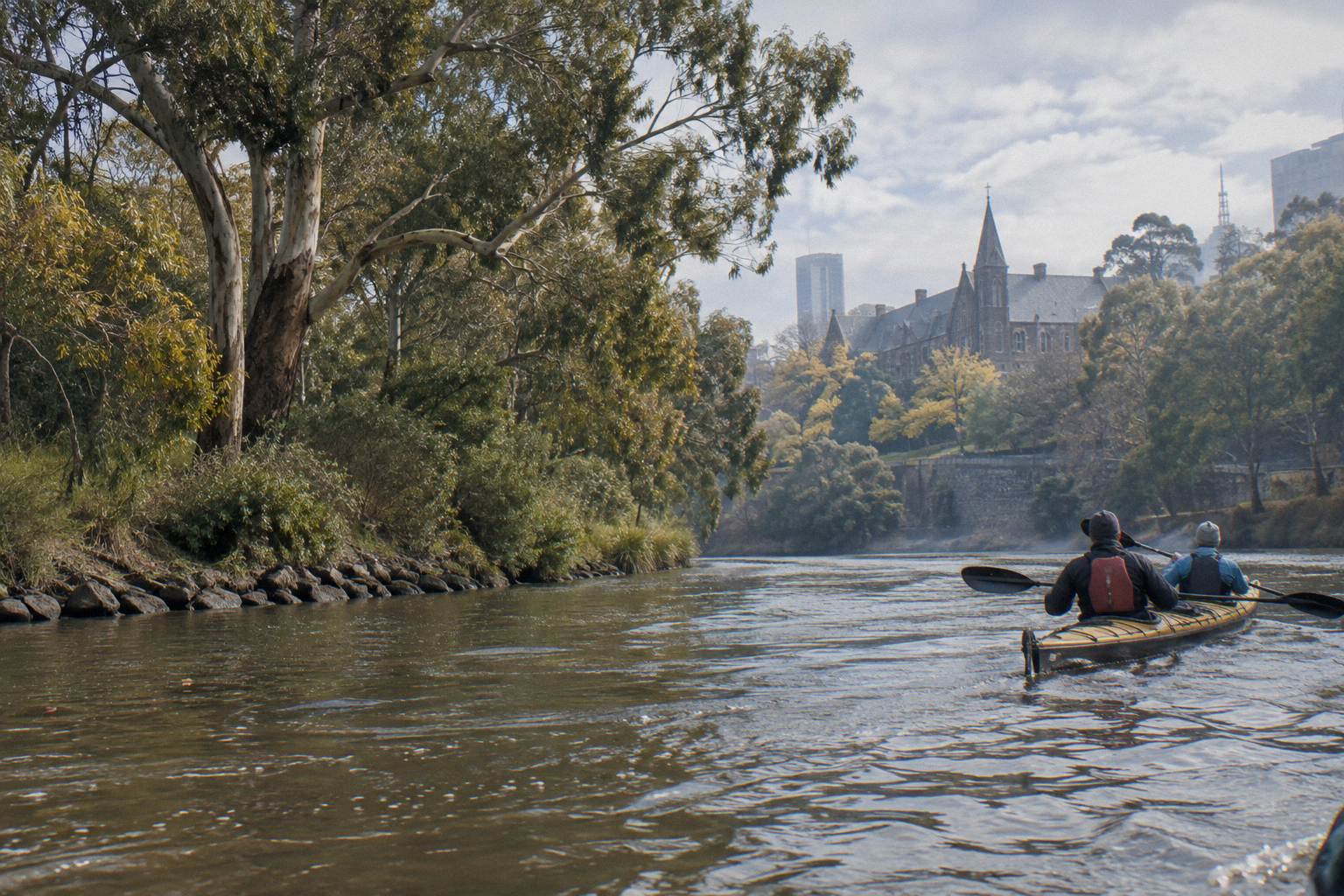
Bureau of Meteorology records for Melbourne Olympic Park, covering 2013 to 2026, show a mean annual maximum of 20.5 °C, a January peak of 26.8 °C and a July low of 14.5 °C, with 577.7 mm of rain across 88.4 rain days a year. Summer is December to February, autumn March to May, winter June to August and spring September to November. Every paddling decision in Melbourne starts from that southern hemisphere calendar, because a "summer trip" here means a December to February booking, not June to August.
The full monthly picture, quoted from one Bureau of Meteorology station only, looks like this:
| Month | Mean maximum (C) | Mean rainfall (mm) | Rain days of 1 mm or more |
|---|---|---|---|
| January | 26.8 | 53.3 | 5.4 |
| February | 25.9 | 26.3 | 3.6 |
| March | 24.3 | 36.4 | 5.2 |
| April | 20.9 | 63.0 | 7.5 |
| May | 17.6 | 46.5 | 8.5 |
| June | 14.9 | 42.1 | 8.6 |
| July | 14.5 | 41.0 | 9.0 |
| August | 15.6 | 47.0 | 9.3 |
| September | 18.1 | 41.0 | 7.9 |
| October | 20.6 | 68.0 | 9.1 |
| November | 22.2 | 64.4 | 8.0 |
| December | 24.7 | 50.2 | 6.3 |
The station is Melbourne Olympic Park, station 086338, and the rainfall record is a short one of 11 years, which is worth keeping in mind when a single month looks extreme. October's 68.0 mm stands out as the wettest month in the record, while February combines warmth with the fewest wet days. The rainfall figures are means, not forecasts: no month in Melbourne is reliably dry, and no month is reliably wet. A rain day count of 9.0 in July still leaves most days of the month without a millimetre of rain. What the table gives you is probability, not a promise.
Air temperature does a different job than rainfall in your planning. Warm months make the 3 hour trips more comfortable for people who feel the cold, and they line up with the long evenings that suit the sunset and dinner paddles. Cooler months suit paddlers who would rather carry extra layers than paddle in 26.8 °C mean heat, and the operators equip for it: the Twilight Kayak booking page includes thermals and a spray jacket among what is supplied. Nothing in the record says a winter paddle is a bad paddle; it says a winter paddle is a different clothing problem. Minimum temperatures for this station are not part of the verified record, so layering decisions rest on the maximums above and on what the operators say to bring.
The underlying figures come from the Bureau of Meteorology's climate averages table for station 086338. The monthly pattern also interacts with the school holiday calendar and with daylight saving, which changes both the light and the meeting times of the evening trips. Those two factors come next, because for the sunset and dinner paddles the clock matters as much as the thermometer.
Long Evenings, Daylight Saving And The Sunset Clock
Daylight saving in Victoria runs from the first Sunday in October to the first Sunday in April, and it is the single biggest factor in how an evening paddle feels, because the sunset trips meet "just before sunset" in the operator's wording and that clock time shifts through the year. No fixed sunset time exists to print: sunset moves week by week, and the booking page shows the departure time for the date you choose. A December booking meets in bright late light; an April booking meets much earlier by the clock. Same trip, different hour.
Two evening trips anchor this decision. Sunset Kayak With Dinner runs 3 hours, meets just before sunset at the Community Boating Hub wharf in Docklands, includes dinner on the water; it is rated 4.9 from 196 reviews and costs from A$120 per person. Twilight Kayak, run by Sea Kayak Australia, runs 2 hours 30 minutes from Boathouse Drive, includes snacks and drinks, thermals, a spray jacket and tour photographs by email, and costs from A$110 per person, rated 4.9 from 86 reviews. Both trips exist specifically to use the evening, so the daylight saving window of October to April is when their whole premise has the most light behind it.
The evenings outside daylight saving are shorter and the trips still run. A June sunset paddle meets earlier by the clock and finishes in full darkness, which is a different experience from a February one that ends in lingering twilight. Neither version is promised as better by any operator; the difference is simply how much daylight surrounds the departure. If long light matters to you, book inside the daylight saving months. If darkness on the water is the appeal, the winter side of the clock delivers it. The Moonlight and night paddling angle is covered in more depth in the guide to moonlight and night kayaking in Melbourne.
One date-planning trap deserves a plain statement: sunset meeting times shift across the daylight saving boundary itself. In the week around the first Sunday in April the clocks fall back, and in the week around the first Sunday in October they spring forward. A booking made weeks ahead shows the departure time for the booked date, so recheck the meeting time close to the day rather than assuming the time you saw for another month still applies. The operator meets "just before sunset" whatever the calendar says; the number on your confirmation is the one to trust.
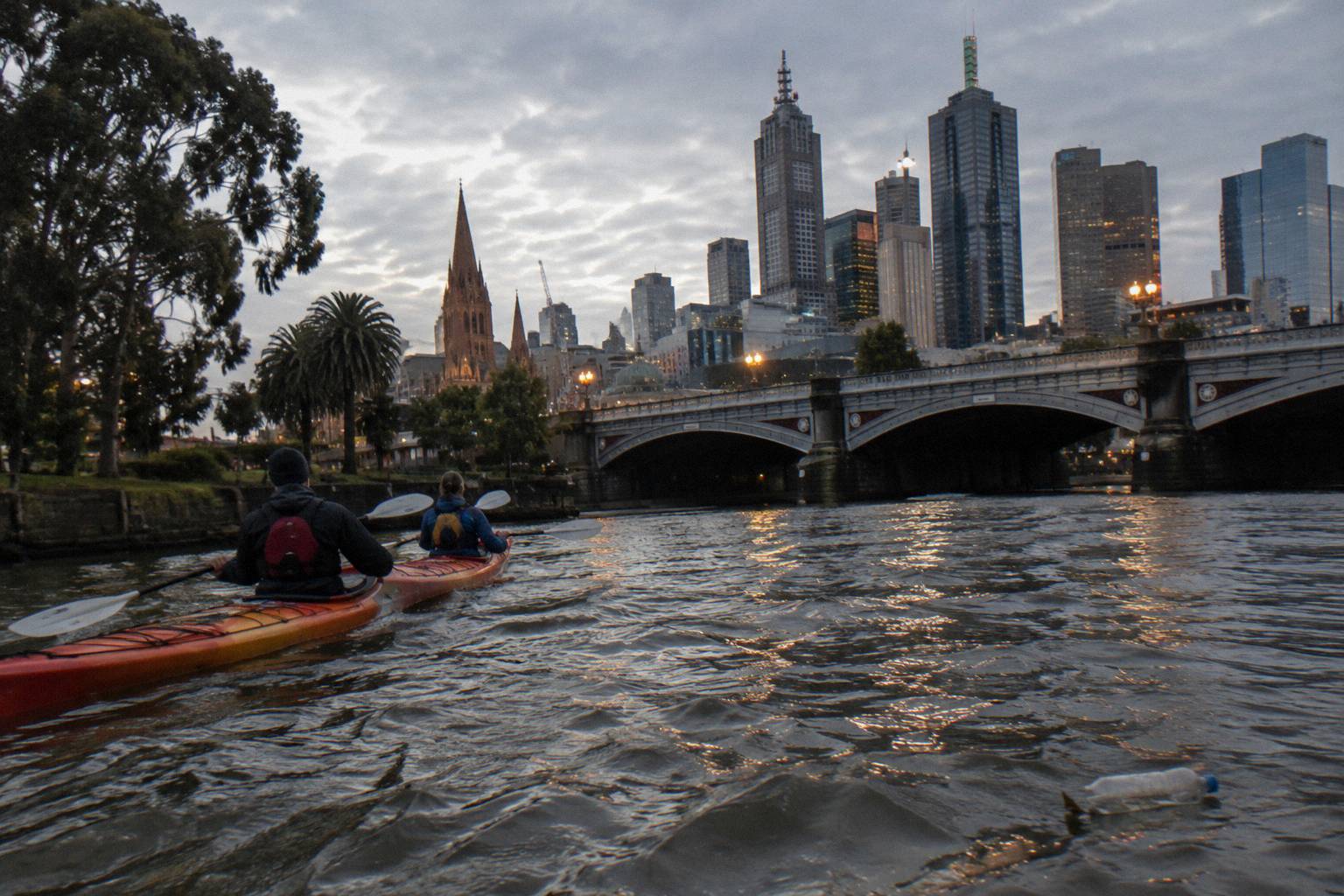
Daylight length also interacts with the routes. The Sunset Kayak With Dinner paddle passes named city places: Victoria Harbour, Bolte Bridge, Polly Woodside, Crown, Southbank, Flinders Street station and Princes Bridge. How much of that you see in light versus under city lights depends on the month, and the operator times its tours around the evening rather than promising a particular lighting condition. Booking inside daylight saving gives the longest window of evening light; booking outside it gives more of the city lit up. Both are the stated route, just at different hours of the sky.
Matching The Month To The Trip You Want
Pick the month from what you want from the paddle, not from a best-month claim, because the record supports different months for different goals: February for warmth and few rain days, July for cool air, October to March for long evenings, and any month for the year-round city trips. A decision table built from the Bureau of Meteorology numbers and the trip facts does the job cleanly:
| What you want | Months that fit | Why | Trips that suit it |
|---|---|---|---|
| Long evenings, dinner on the water | October to March | Daylight saving plus warm mean maximums from 20.6 to 26.8 °C | Sunset Kayak With Dinner, Twilight Kayak |
| Warmest air, fewest rain days | January and February | 26.8 °C and 25.9 °C means, 5.4 and 3.6 rain days | Any of the three city trips |
| Short commitment in the middle of the day | Any month | 1 hour 45 minutes, year-round operation | City Sights Kayak |
| Cool air and full darkness by finish | May to August | Mean maximums 14.5 to 17.6 °C, early sunsets | Twilight Kayak, with thermals and spray jacket supplied |
| Wildlife paddle on the bay | Warmer months | Bay trips with an opportunity to spot dolphins and seals | Dolphin Sanctuary Sea Kayak, Apollo Bay Seal Kayak |
The three city trips illustrate how the same season serves different plans. City Sights Kayak runs 1 hour 45 minutes from Boathouse Drive, costs from A$82 per person and is rated 4.9 from 162 reviews, which makes it the easiest trip to slot into any day of any month: it is short enough that weather matters less and daylight saving barely changes its character. The Twilight Kayak small-group format, with its included thermals and spray jacket, is built to work in cooler air. The 3 hour dinner paddle asks for the biggest block of your evening, so it earns its place best when the evening is long.
That logic extends to the water-type choices too. The whitewater trip at Wonga Park, from A$109 per person for 3 hours, includes a helmet and a shuttle back to your car, and cooler months change what that river section feels like; the operator publishes no route detail beyond the launch point, so ask when you book. The Dolphin Sanctuary Sea Kayak at Portsea, 3 hours with a maximum group of 24, is a sea trip where wind and swell matter more than on the sheltered Yarra, and no printed price exists: the price shows during booking. Neither operator publishes a seasonal recommendation, so the table above is decision logic built from published figures, not an operator claim.
Traveller types sharpen the choice further. A solo visitor with one free evening and a wish for the city lights does well with either evening trip inside daylight saving. A couple deciding between a dinner booking on land or on water picks the Sunset Kayak With Dinner from October to March, when the 3 hours sit in friendly air. A family with a 10 or 11 year old faces a hard rule rather than a preference: the City Sights Kayak takes ages 10 and up, while the evening dinner paddle takes 12 and up, so the child's age can decide the trip before the calendar does. A rain-averse planner watches the rain-day column, sees February's 3.6, and books February. Every one of those decisions is supported by a published number.
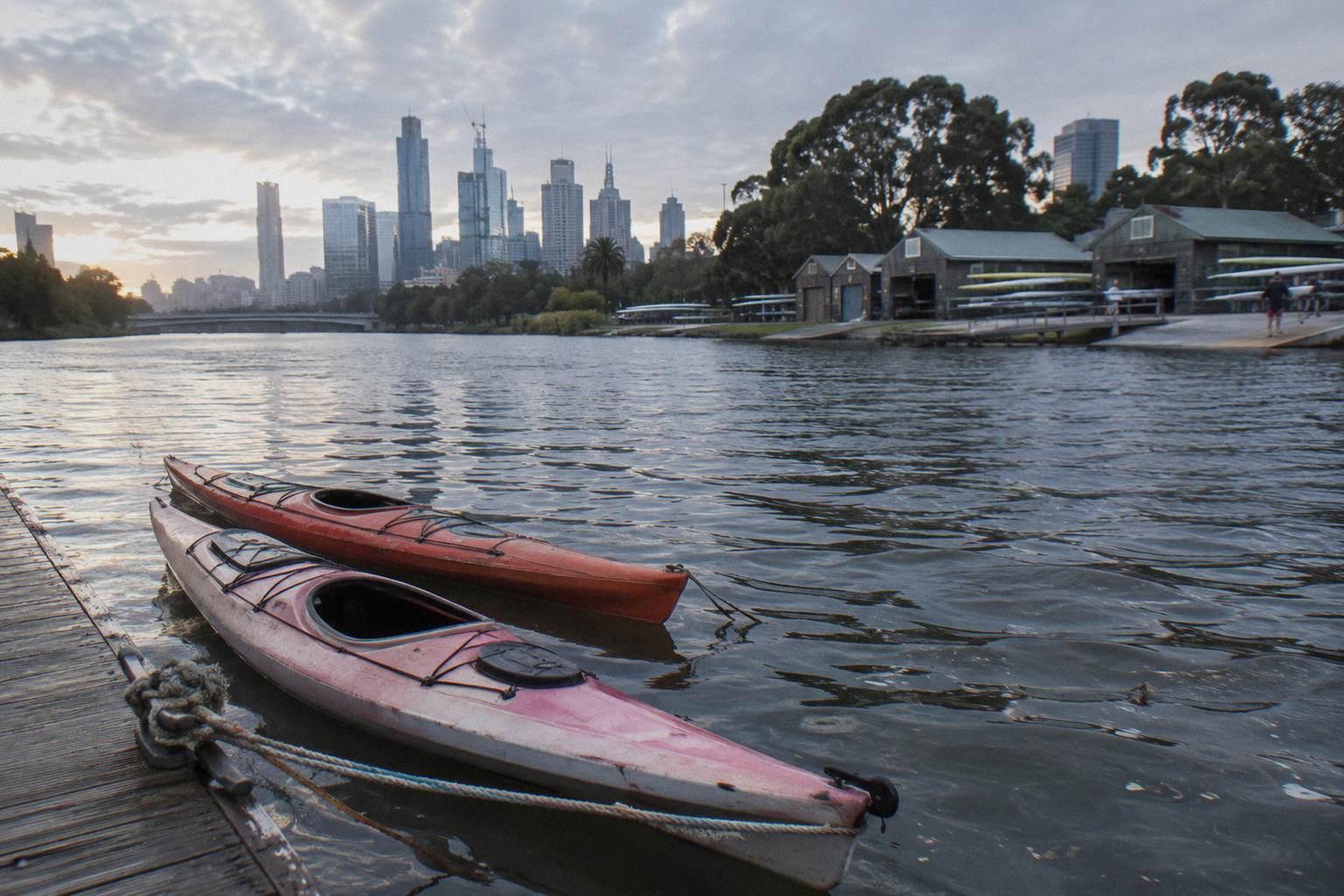
Prices do not move with the seasons in any published way. All from-prices are in Australian dollars, per person: City Sights from A$82, Twilight from A$110, the dinner paddle from A$120, and whitewater from A$109. Prices vary by date and group size, and the booking page shows the exact price for the date you select. Four trips print no price at all: the canoe wildlife paddle at Fairfield, the Dolphin Sanctuary sea kayak, the Sorrento dolphin and seal swims and the Apollo Bay seal kayak all show their price during booking. If a month's price matters to your choice, the booking page is the only source, and the free cancellation window up to 24 hours before departure lets you lock a date and still move it.
Rain, Weather Policy And What Cancels A Trip
Kayak Melbourne's published rule is that tours run "rain, hail or shine" but the operator reserves the right to cancel any tour it judges unsafe, offering a refund or a reschedule when it does; the booking pages add that the city trips are subject to favourable weather, with an alternative date or a full refund if the operator cancels for weather. Those two statements together are the whole weather contract. Rain alone does not cancel a trip. No fixed weather threshold is published anywhere, so the operator decides on the day for safety, and you are never left out of pocket when it does.
The other operators' booking pages carry their own wording. The Twilight Kayak operates in most weather conditions, with an alternative date or a full refund if it is cancelled for poor weather. The remaining four trips, the whitewater paddle, the canoe wildlife paddle, the Dolphin Sanctuary sea kayak and the Apollo Bay seal kayak, state no weather policy on their booking pages, so ask the operator when you book if a stormy forecast worries you. The booking page for your chosen trip is the place the current conditions language lives, and it is worth a read before you commit a date in a month with high rainfall.
The rain-day numbers put the risk in proportion. October carries the highest mean rainfall in the record at 68.0 mm and 9.1 rain days, and August the most rain days at 9.3. July averages 9.0 rain days. Yet even those months leave more days without measurable rain than with it, and "rain days of 1 mm or more" includes drizzle that would never trigger a safety cancellation. The weather that actually stops a paddle is the weather the operator judges unsafe, which for the bay trips means conditions a sea kayak should not be out in, and for the Yarra trips means conditions the operator will not put guests on the water in. What those conditions are is not published; the right to make that call is.
Your side of the contract matters as much as the operator's. Guests changing a booking need to give at least 24 hours notice, and the operator's FAQ is direct about the deadline: "No refunds will be given for cancellations within 24 hours". That rule pairs with the free cancellation window: up to 24 hours before departure you can cancel freely on the booking page, and inside 24 hours you cannot. A practical rhythm follows: book the date that suits your trip, watch the forecast as it approaches, and make any move before the 24 hour line. If the operator cancels first, you choose a refund or a new date either way.
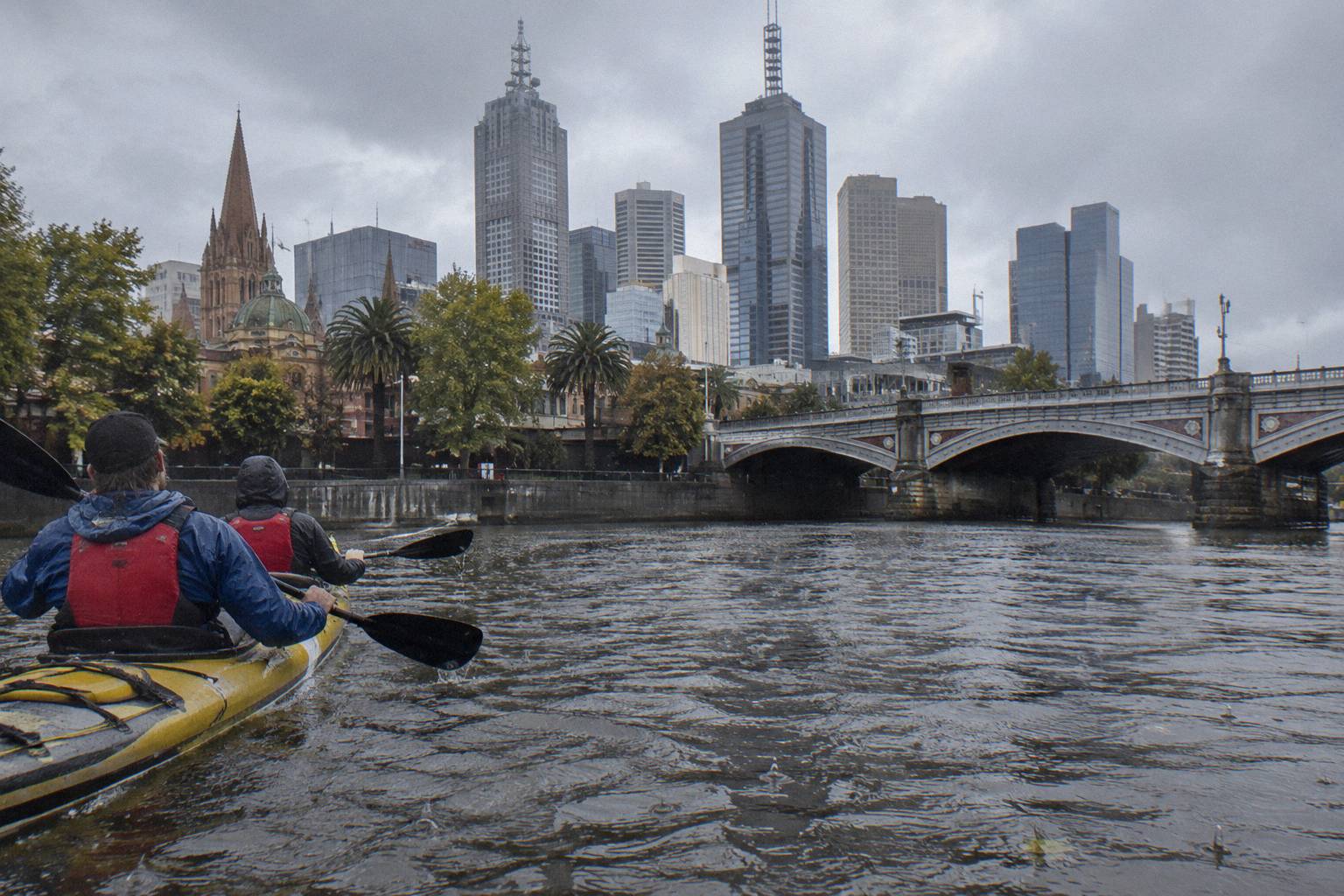
Melbourne's variable water quality is a separate question from trip cancellations, and it has a clean answer for paddlers: the Yarra trips are secondary contact only, and the CBD stretch has swimming bylaws. Melbourne Water's Yarra Watch program monitors E. coli at Launching Place, Healesville, Warrandyte and Kew, and reports that quality can vary dramatically day to day with rainfall. None of that stops a guided paddle, which is exactly why the operators run rain or shine, but it is a firm reason to leave the swimming to pools. The full picture is in is the Yarra safe to kayak, water quality, and the lifejacket rules that apply on every Victorian water are on the Safe Transport Victoria kayaks and canoes page, which requires a lifejacket worn when paddling a kayak on all Victorian waters.
What To Wear And Bring Through The Seasons
Kayak Melbourne says "No special clothing is required" and asks guests to bring a water bottle, a sun hat or a beanie on evening tours, sunglasses, weather-appropriate clothing and a change of clothes, while 45 L dry bags are supplied and each life jacket carries a small zip pocket for a phone. That list is the same in January and July; what changes is what "weather-appropriate" means, and the Bureau of Meteorology maximums above are what to go by. January's 26.8 °C mean maximum asks for sun protection; July's 14.5 °C asks for layers.
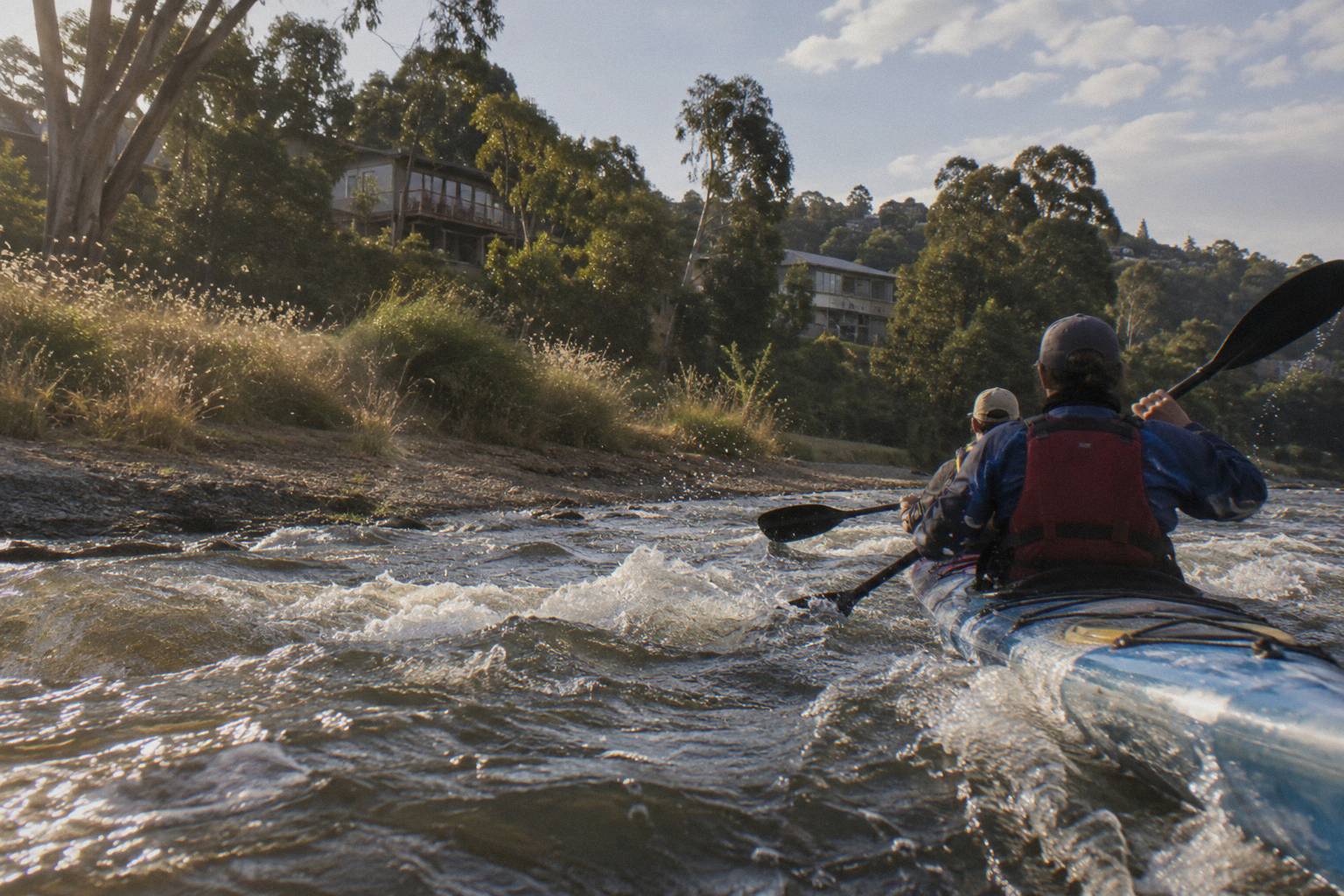
The included equipment does some seasonal work for you. The Twilight Kayak includes thermals and a spray jacket as part of its supplied equipment, which extends its comfortable range into the cooler months without you buying gear. The whitewater trip includes a lifevest and helmet as standard. The dinner paddle and City Sights trips include paddling equipment and waterproof bags. Whether you get wet is answered by the operator's FAQ: "Generally no, you may get a slightly wet midriff or butt if it's very windy or raining". A change of clothes in the dry bag covers that possibility in any season.
Season by season, the clothing logic runs straight off the climate table. Summer bookings, December to February, mean a mean maximum between 24.7 and 26.8 °C, a hat, sunglasses and a water bottle, and evening trips where a light layer covers the post-sunset drop. Autumn, March to May, slides from 24.3 to 17.6 °C, and a warm layer for the second half of an evening paddle becomes sensible. Winter, June to August, sits between 14.5 and 15.6 °C, the beanie the operator mentions for evening tours earns its place, and the Twilight trip's included thermals matter. Spring, September to November, moves from 18.1 to 22.2 °C but carries the year's wettest months in rainfall terms, so the change of clothes is not optional. If layering questions run deeper, what to wear kayaking in Melbourne works through the operator lists in detail.
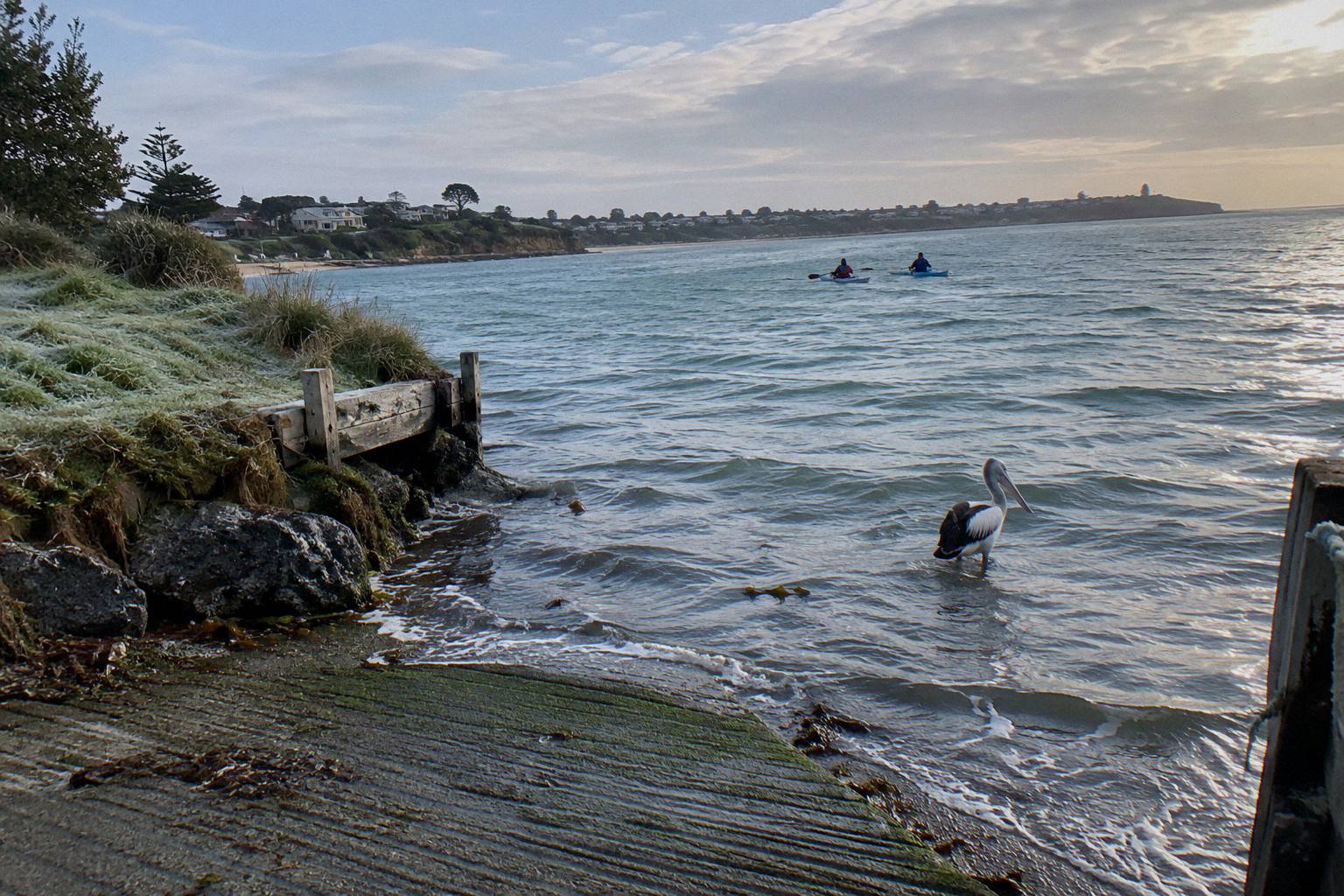
The bay trips add one seasonal consideration the city trips do not: wetsuits. The Apollo Bay Seal Kayak includes wetsuits, helmets and PFDs in its equipment, and the Dolphin Sanctuary trip includes life jackets among its safety equipment. Port Phillip Bay has no official monthly water temperature figure, so no printed number exists to plan around, and the operators' supplied gear is the practical answer. For the sea side of the calendar, sea kayaking on Port Phillip Bay covers the trips and their waters, and the EPA publishes Beach Report forecasts for Port Phillip Bay updated each afternoon in summer, which is the published water-quality signal for bay paddles.
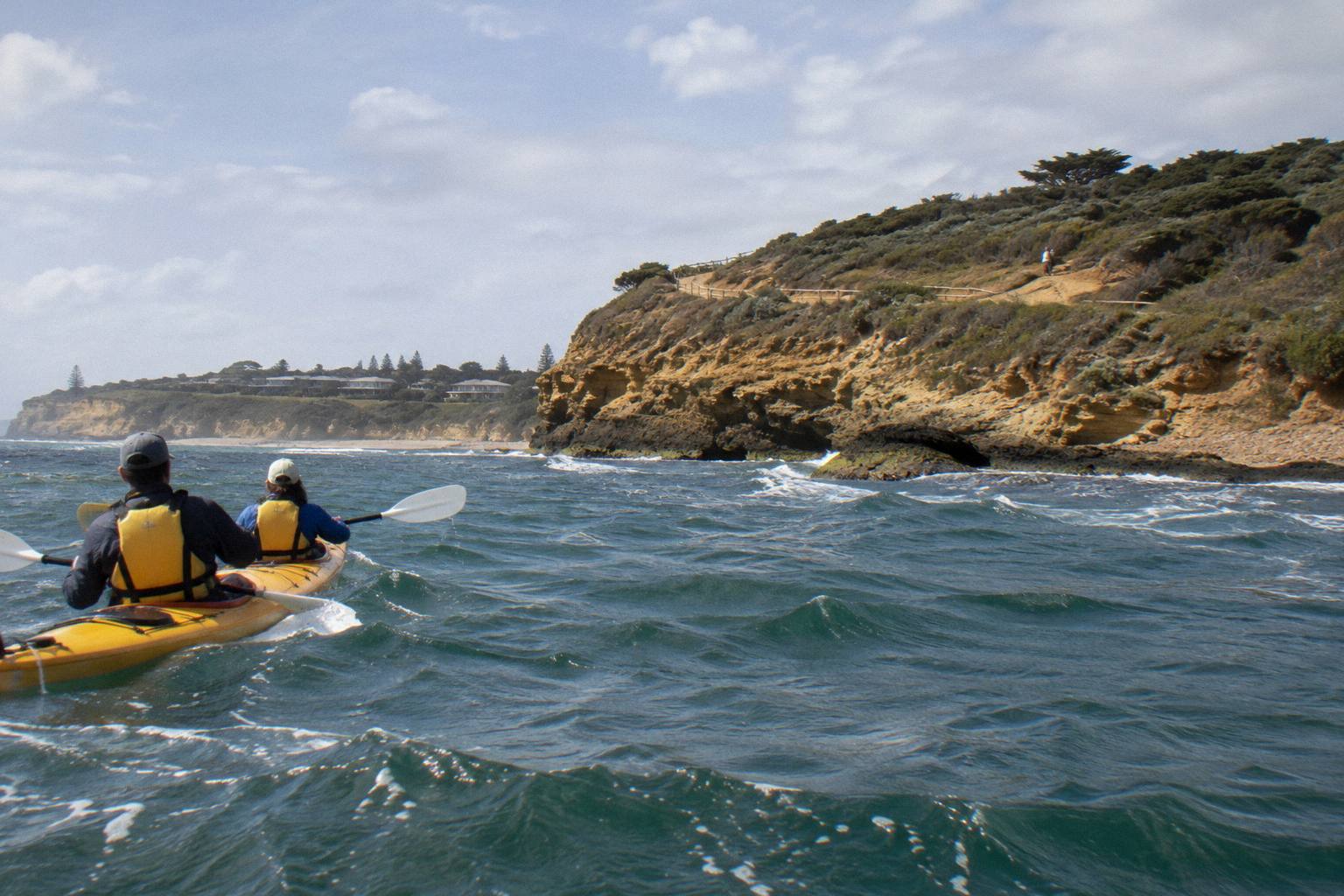
For the sea trips beyond the city, Melbourne Kayak Tours also covers the Mornington Peninsula and the Apollo Bay seal kayak, and those pages carry their own meeting-place detail: Marengo is about 3 hours from Melbourne and is not a Melbourne day trip, so the season question for that one is really a trip-length question. The city trips, by contrast, all run from Docklands or Boathouse Drive with self-arrival, so a spare jacket left in the car is a simple comfort move in the cooler months. Nothing about the clothing list is seasonal law; it is the operator's own bring list matched to the air temperatures the Bureau of Meteorology records.
Common Mistakes When Picking A Kayak Date In Melbourne
The recurring mistakes are treating Melbourne as northern hemisphere, assuming one operator runs every trip, ignoring the 24 hour cancellation line, assuming a child of any age fits every trip, and expecting a printed sunset time or a guaranteed wildlife sighting. Each of those comes from a real published rule, and each one moves a booking. Run through them before you pay and most date problems disappear.
First, the hemisphere. Summer here is December to February; winter is June to August. A traveller planning a "summer paddle" for July has inverted the seasons and will meet a 14.5 °C mean maximum instead of a 26.8 °C one. The trip will still run, but the packing list is different and the evening light is short. Second, the operator question: Kayak Melbourne runs both the City Sights trip and the Sunset Kayak With Dinner, Sea Kayak Australia runs the Twilight trip, The Adventure Merchants runs the whitewater paddle, Up the Creek runs the canoe wildlife paddle, Bayplay runs the Dolphin Sanctuary sea kayak, Moonraker runs the Sorrento swims and Apollo Bay Surf And Kayak runs the seal kayak. There is no single phone number that moves any booking among these.
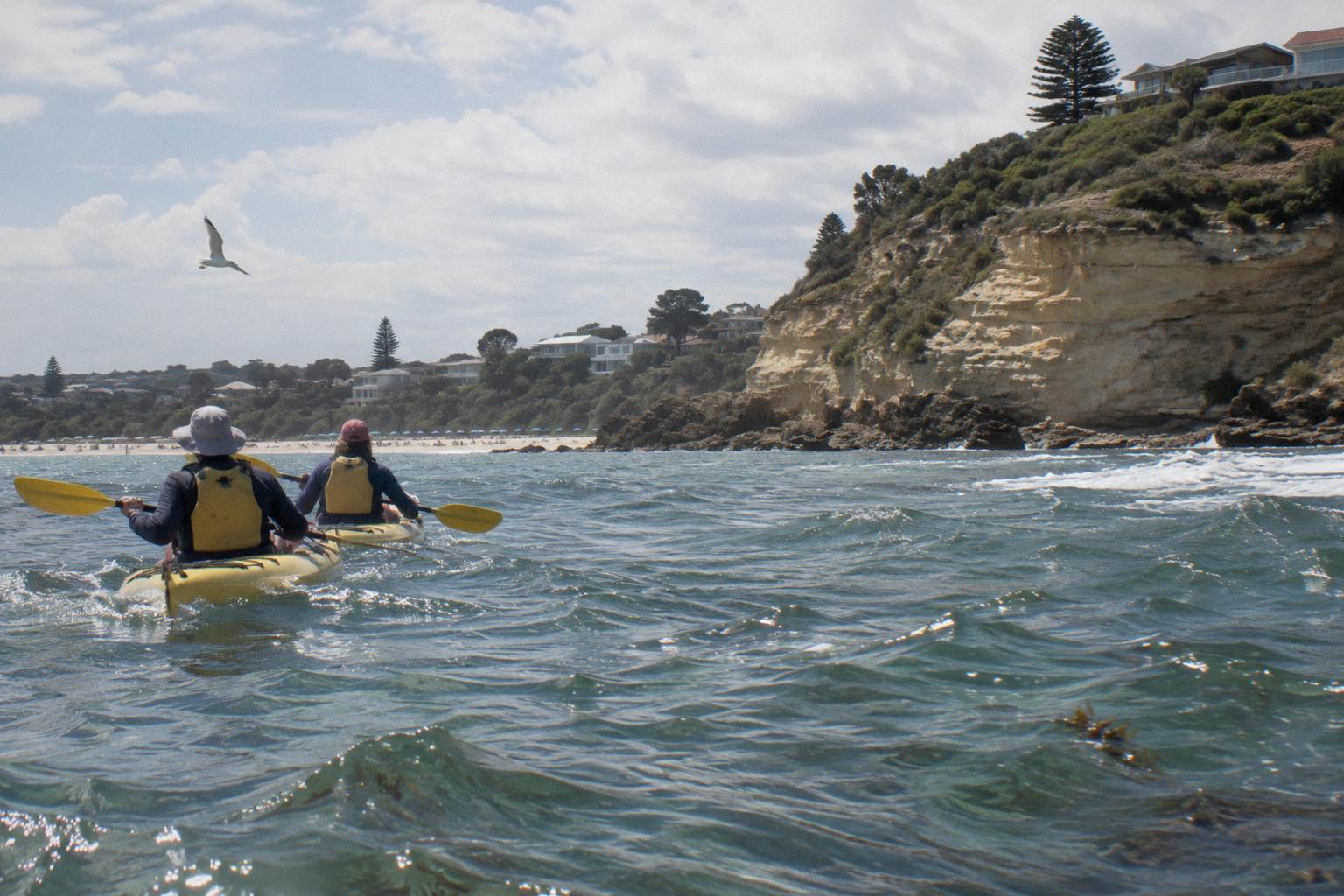
Third, the cancellation clock. Free cancellation runs up to 24 hours before departure on the booking page for all eight trips; inside 24 hours the operator gives no refunds for guest cancellations. Booking a date on a shaky forecast and deciding on the morning of the trip is the classic way to lose the fare. Fourth, the age rules, which are per trip: City Sights takes 10 and up, the evening dinner paddle and Twilight take 12 and up, whitewater takes 10 and up with a maximum weight of 120 kg, and the bay trips publish no minimum age, so ask the operator. A family that books the dinner paddle for an 11 year old has a problem the calendar cannot fix.
Fifth, expecting printed times and promised sightings. The evening trips meet "just before sunset", and no fixed sunset time exists on any booking page; the departure time for your date shows during booking. Wildlife is an opportunity, never a guarantee: Bayplay's own wording is "the opportunity to spot" Burrunan dolphins, Australian fur seals and fairy penguins, and Victorian rules keep boats at least 100 m from a dolphin, with licensed tour operators working within their own conditions. The marine mammal distance rules explain the framework. Sixth, a simple money slip: prices on the booking pages are from-prices in Australian dollars and vary by date, and a bare dollar figure quoted from anywhere else is not a price you can book. Kayak Melbourne's own FAQ page answers most of these questions directly if you want the operator's wording before you commit.
Planning Three Example Dates
The three scenarios run side by side below, then each is walked through in full.
| Scenario | Month and climate fit | Trip chosen | Key figures for the date |
|---|---|---|---|
| Couple, one free evening | February, 25.9 °C mean maximum, 3.6 rain days, inside daylight saving | Sunset Kayak With Dinner | 3 hours, from A$120 per person, 4.9 from 196 reviews, ages 12 and up |
| First-timer, daytime | July, 14.5 °C mean maximum, 9.0 rain days | City Sights Kayak | 1 hour 45 minutes, from A$82 per person, 4.9 from 162 reviews, ages 10 and up |
| Group of friends, bay | October, 20.6 °C mean maximum, 68.0 mm mean rainfall, daylight saving starts | Dolphin Sanctuary Sea Kayak | 3 hours, price shows during booking, maximum group 24 |
Example one: a couple visiting in February with one free evening. February's mean maximum is 25.9 °C with 3.6 rain days, the lowest rain-day count in the record, and daylight saving is running. The Sunset Kayak With Dinner, 3 hours from A$120 per person, meets just before sunset at Docklands, includes dinner on the water. The checklist: light clothing plus a layer for after sunset, the change of clothes in the supplied 45 L dry bag, and the meeting time confirmed on the booking page for that date. Ages 12 and up apply, so this one suits adults and teenagers but not younger children.
Example two: a first-time paddler on a July day. July's mean maximum is 14.5 °C, the coolest month in the record, with 9.0 rain days. The City Sights Kayak, 1 hour 45 minutes from Boathouse Drive per person at from A$82, rated 4.9 from 162 reviews, takes ages 10 and up and needs no experience, and the operator says tours begin with a training component. The short duration limits exposure to the cold air, the trip runs rain or shine, and the checklist is the operator's own: weather-appropriate clothing, a beanie if the booking drifts to the evening side, and a change of clothes. The kayaking in Melbourne for beginners guide covers the first-timer questions in full.
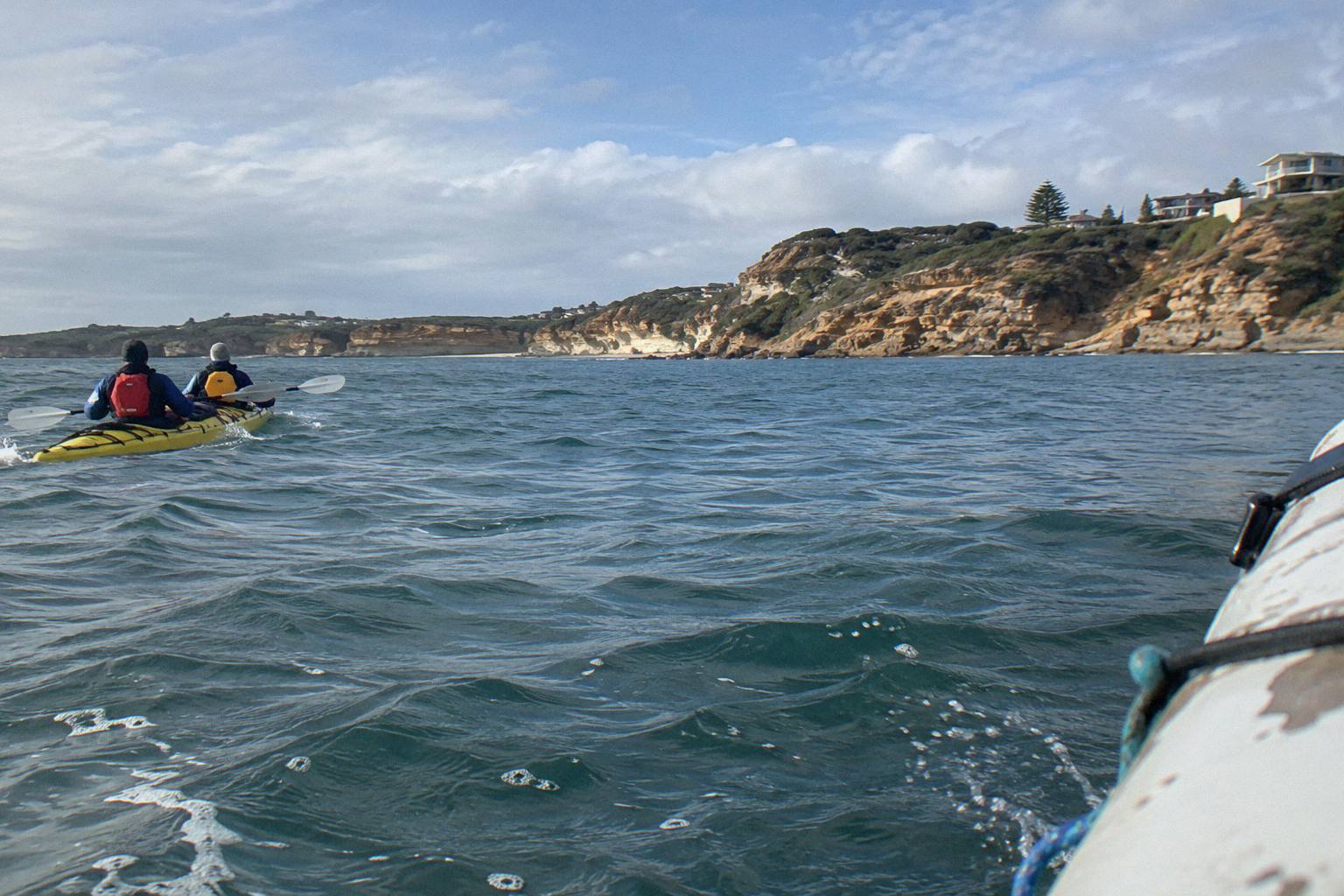
Example three: a group of friends in October wanting the bay. October is the wettest month in the record at 68.0 mm mean rainfall, but also a warm spring month at 20.6 °C mean maximum and inside daylight saving from the first Sunday. The Dolphin Sanctuary Sea Kayak at Portsea runs 3 hours with a maximum group of 24, self-arrival at the Bayplay store, and the price shows during booking. The wildlife is an opportunity, never promised, the free cancellation window runs to 24 hours, and the group leader should confirm the weather policy with the operator, since the bay trips state none on their booking pages. If a dolphin swim rather than a paddle is the goal, dolphin swim or kayak trip near Melbourne separates the two formats.
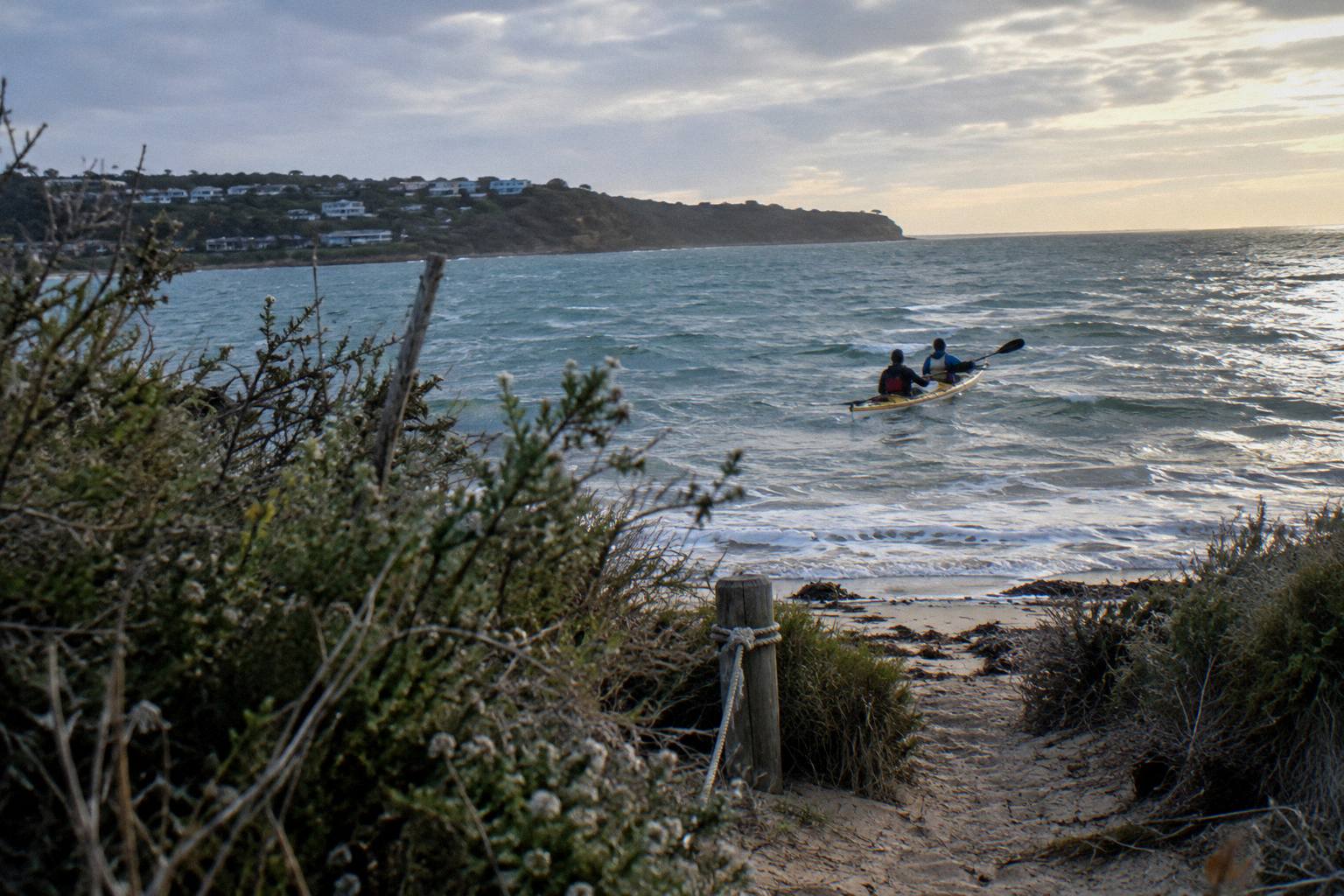
The City Sights Kayak fits more calendars than any other trip here, which is why it anchors the examples: 1 hour 45 minutes, from A$82 per person, 4.9 from 162 reviews, ages 10 and up, self-arrival at Boathouse Drive. You can read the full detail, the route places and the included gear on the City Sights Kayak trip page, and if a date is already taking shape you can check availability for it directly. Whatever month you settle on, the method above holds: read the climate row, check the daylight saving clock, confirm the meeting time for your date, and keep your options open until the 24 hour line.
Common Questions About The Best Time To Kayak In Melbourne
What Is The Best Month To Kayak In Melbourne?
No official best month exists. Bureau of Meteorology records for Melbourne Olympic Park put January warmest at a 26.8 °C mean maximum and February at the fewest rain days, 3.6, while July is coolest at 14.5 °C. If you want warm air and long evenings, December to February fits; if you prefer cool air, the winter months suit with the right layers.
Do Melbourne Kayak Trips Run In Winter?
Yes. Kayak Melbourne says tours run "rain, hail or shine" with the operator reserving the right to cancel any tour it judges unsafe, offering a refund or reschedule if it does. Winter bookings mean a mean maximum between 14.5 and 15.6 °C, a beanie on evening tours, and the Twilight trip's included thermals and spray jacket.
When Does Daylight Saving Affect Kayak Trips?
Daylight saving in Victoria runs from the first Sunday in October to the first Sunday in April. The evening trips meet "just before sunset" in the operator's wording, so the clock time of the meeting shifts through the year, and the booking page shows the departure time for the date you book.
Which Month Has The Least Rain In Melbourne?
By rain days of 1 mm or more, February is the driest month in the Olympic Park record at 3.6 days, with the least rainfall in millimetres too at 26.3 mm. October is the wettest at 68.0 mm. Rain alone does not cancel a tour; only the operator's safety judgement does.
Can I Cancel If The Weather Turns?
All eight trips allow free cancellation up to 24 hours before departure on the booking page. Inside 24 hours, Kayak Melbourne's FAQ states "No refunds will be given for cancellations within 24 hours". If the operator cancels for weather, the city trips offer an alternative date or a full refund.
Is There A Best Time Of Day To Kayak In Melbourne?
It depends on the trip you want. The daytime City Sights trip runs 1 hour 45 minutes at any time of year, while the evening trips are built around sunset, meeting just before it. Inside daylight saving, October to April, those evening paddles get the most light; outside it, more of the paddle finishes under city lights.