Kayak Safety In Melbourne: Life Jackets, Tides And Shipping Traffic
Kayak safety in Melbourne comes down to three things you can check before you book: the Victorian lifejacket rule, the water you will be on, and who decides whether the trip runs on the day.
Short answer
Victoria requires a worn lifejacket for kayaking on all waters, and the 400 m exemption applies only to paddleboards, never kayaks. Every guided trip covered here supplies life jackets and a guide. The Yarra is paddled, never swum, Port Phillip Bay has a transit only zone near shipping channels, and the operator cancels for weather when conditions demand it.
For the broader picture of where these rules sit, start with where to go kayaking in Melbourne, and for the trip-by-trip detail of the city stretch, see kayaking the Yarra through the CBD.
| Quick fact | The rule or figure | Source |
|---|---|---|
| Lifejacket | Must be worn in a kayak on all Victorian waters | Safe Transport Victoria |
| 400 m exemption | Stand up paddleboards, kiteboards and sailboards only | Safe Transport Victoria |
| Yarra water quality | E. coli at Kew ranged 74 to 6,500 organisms per 100 mL in testing against a 260 swimming guideline | Melbourne Water Yarra Watch |
| Transit only zone | Port Phillip Bay, Point Gellibrand south to latitude 38 S | Safe Transport Victoria |
| Weather cancellation | Operator cancels if a trip would be unsafe; refund or reschedule offered | Operator statements |
| Group gear | Life jackets and paddling equipment included on all eight trips | Booking pages |
What Are The Lifejacket Rules For Kayaking In Victoria?
Yes: in Victoria you must wear a lifejacket whenever you paddle a kayak, and the rule applies to every waterway, coastal, enclosed or inland. Safe Transport Victoria states you must wear a lifejacket when paddling crafts such as a kayak, canoe, surf ski, raft, or rowboat, and accepted levels are Level 100, Level 50 or Level 50S no matter the water type.
The detail people get wrong is the exemption. Victoria allows some paddle craft to skip the lifejacket when close to shore, within 400 metres, but that exemption is written for stand up paddleboards, kiteboards and sailboards. It does not cover kayaks in any form. A kayaker paddling fifty metres from a bank on the Yarra is still required to wear a lifejacket, exactly as a kayaker crossing an open bay would be. The rule is on the kayaks and canoes page of Safe Transport Victoria, which also sets out the equipment exemptions and requirements that apply to paddle craft, and that page is the one to read for licence and registration questions, since those specifics belong to the regulator rather than to a tour write-up.
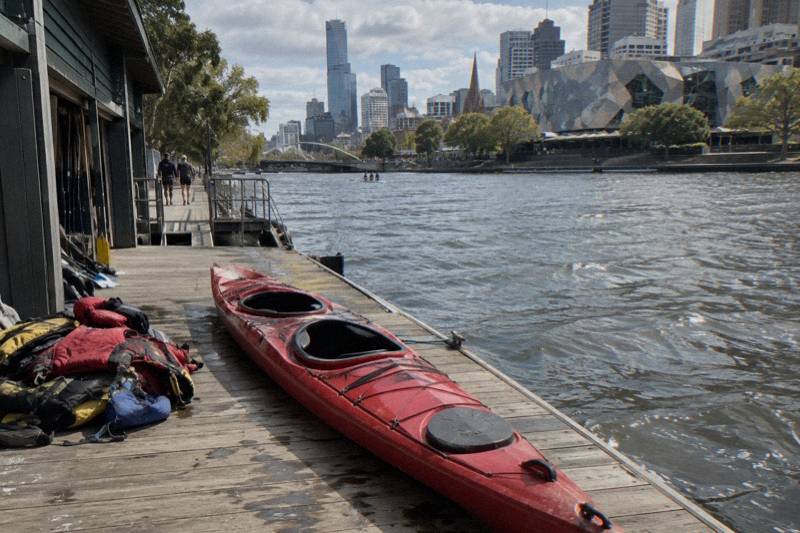
For anyone joining a guided trip, the rule is largely handled. Every operator on the eight trips covered here supplies life jackets as part of the equipment, from the tandem sea kayaks on the city Yarra to the sit-on-top kayaks at Marengo. The booking page for each trip lists safety equipment among the inclusions, so the first thing to check is not whether you need a lifejacket, you do, but whether the trip you are considering includes one. On all eight trips here, it does.
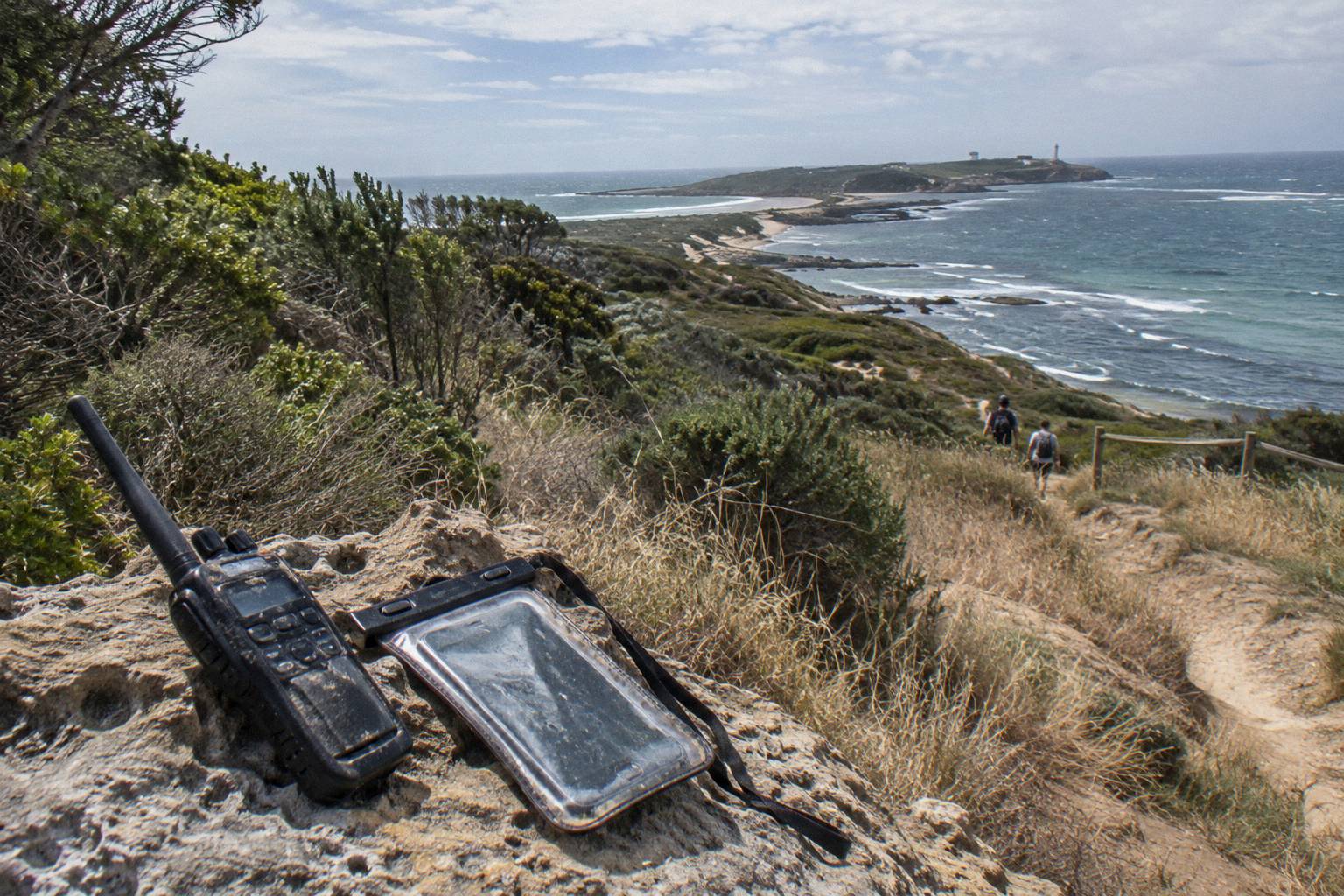
The same regulator page advises a kit for offshore paddling: a phone in a waterproof pouch, a VHF radio or personal locator beacon, first aid supplies, water and food, warm clothing and a repair kit, plus practising capsize recovery. That is advice aimed at independent offshore paddlers. A guided three-hour trip on the Yarra with a guide and a supplied lifejacket is a different setting, and the operator carries the responsibility for the group's equipment. Still, the waterproof pouch idea is worth borrowing even on a city paddle: Kayak Melbourne supplies 45 L dry bags and notes a small zip pocket in the front of the life jacket for a phone, which answers the most common packing question before it is asked.
Which Rules Apply On Which Water Around Melbourne?
The rules follow the water rather than the suburb: on the enclosed Yarra through the CBD the lifejacket wear rule applies and commercial shipping is not a factor, while open Port Phillip Bay brings the transit only zone and shipping channels, so trips there stay within areas the operator has chosen for the conditions. The Wonga Park whitewater stretch adds helmets and a weight limit.
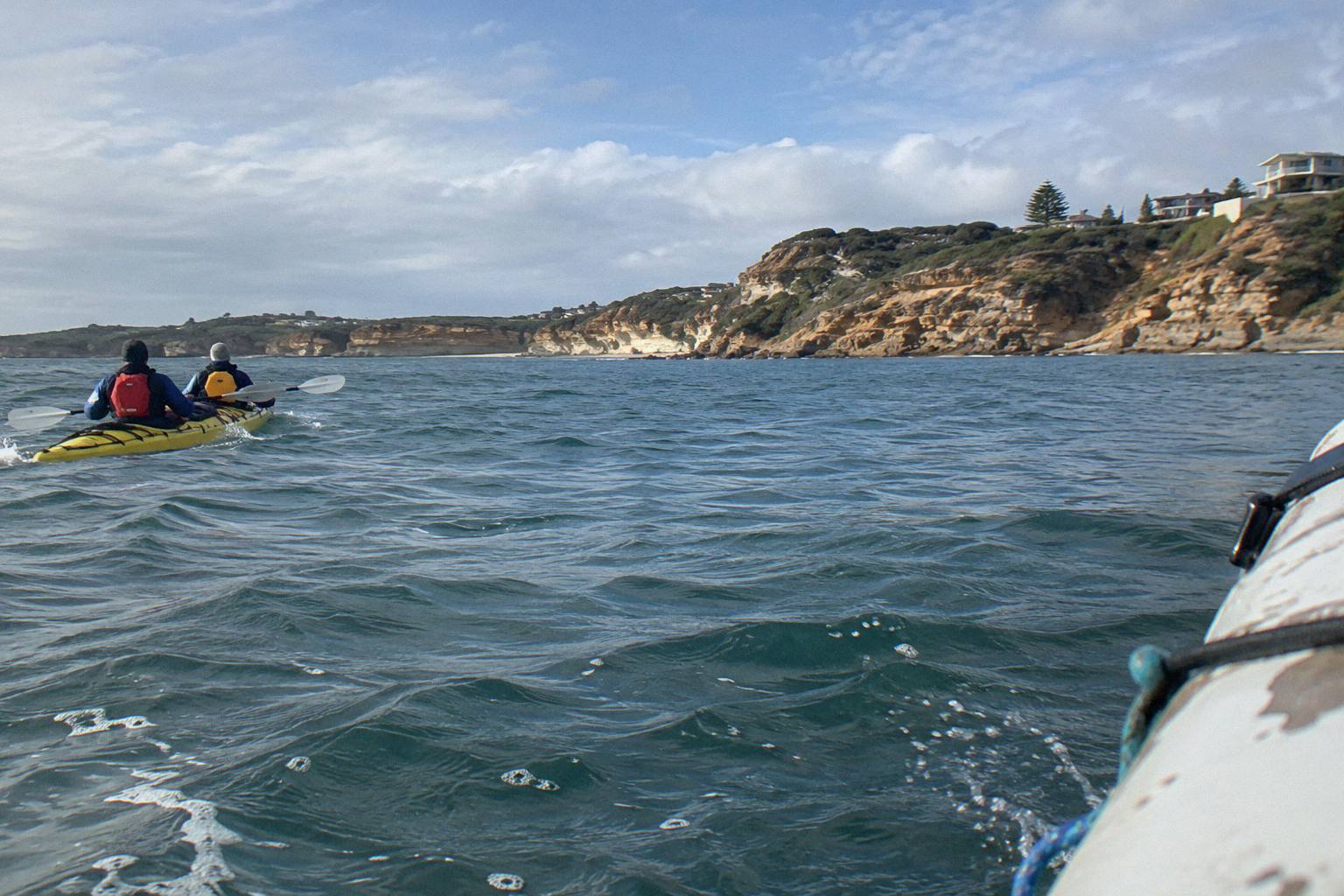
The bay needs the most explanation. Safe Transport Victoria defines a transit only zone on Port Phillip Bay running from Point Gellibrand at Williamstown south to latitude 38 S, and inside it small boat operators must not anchor, moor, drift or fish. The reason is the shipping traffic: the channels serving the port are described as a high hazard, with the regulator's advice to exercise caution and steer well clear. For a reader wondering whether a sea kayak trip near Sorrento or Portsea puts them in front of a container ship, the answer is that the guided bay trips here work inside the Dolphin Sanctuary and the nearshore waters of the Mornington Peninsula, well south of the port approaches, with a driver-guide who runs the route. Independent paddlers planning their own bay crossing should read the boating rules in the Safe Transport Victoria handbook before setting out.
| Water | Trip | What shapes the rules there |
|---|---|---|
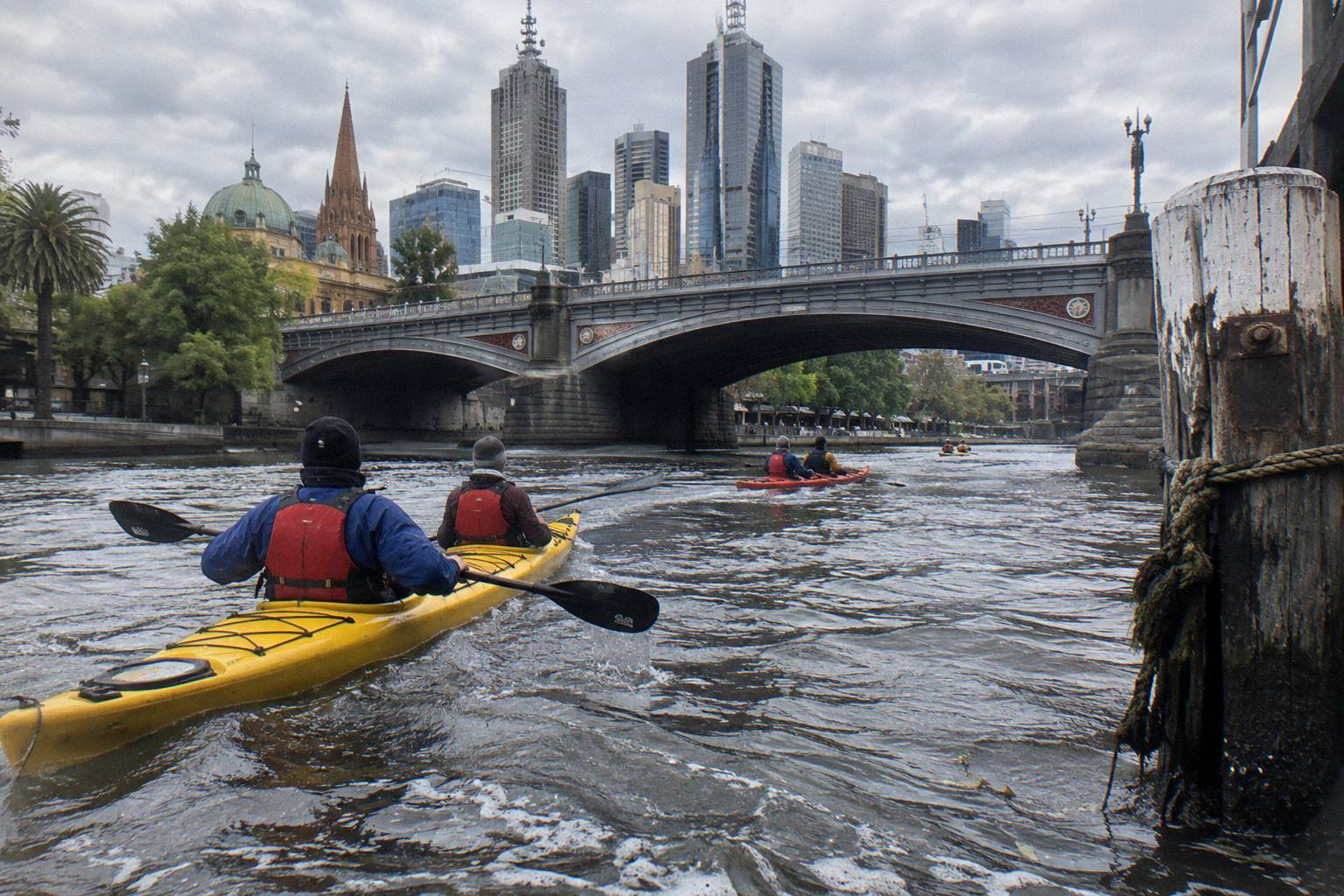
| Yarra, CBD and Docklands | Sunset Kayak With Dinner, City Sights Kayak | Enclosed river, lifejacket worn, guided group of up to 18 |
| Yarra, Fairfield | Yarra Canoe Wildlife Paddle | Enclosed river, small group of 10, safety gear included |
| Yarra, Wonga Park | Yarra Whitewater Kayaking | Whitewater stretch, helmet and lifevest included, 120 kg maximum weight |
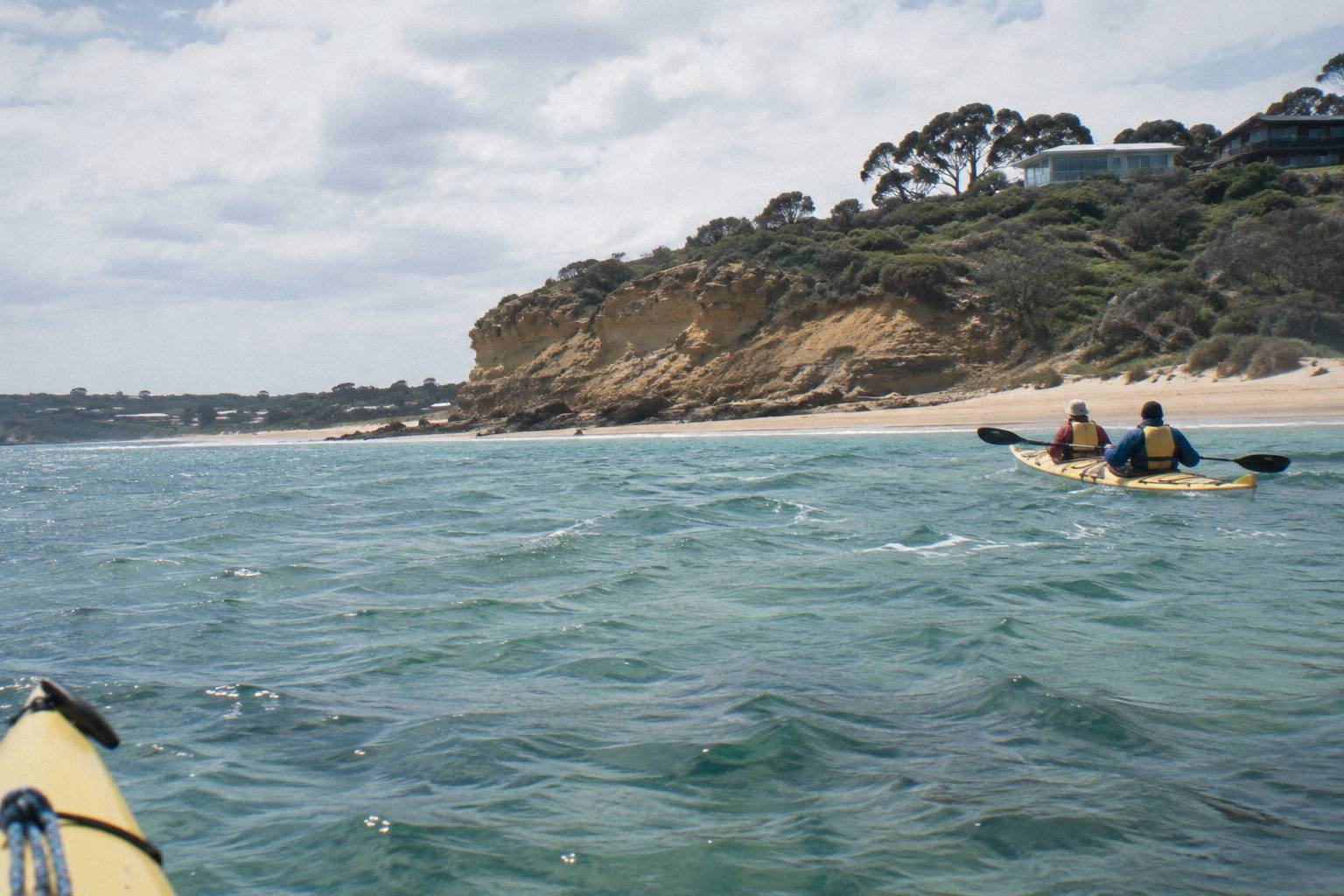
| Port Phillip Bay, Portsea | Dolphin Sanctuary Sea Kayak | Open water, life jackets included, group of up to 24, nearshore sanctuary route |
| Port Phillip Bay, Sorrento | Dolphin And Seal Swims | Purpose-built boat trip, not a paddle, full-length wetsuits supplied |
| Apollo Bay, Marengo | Apollo Bay Seal Kayak | Open ocean kayaking, wetsuits, helmets and life jackets included |
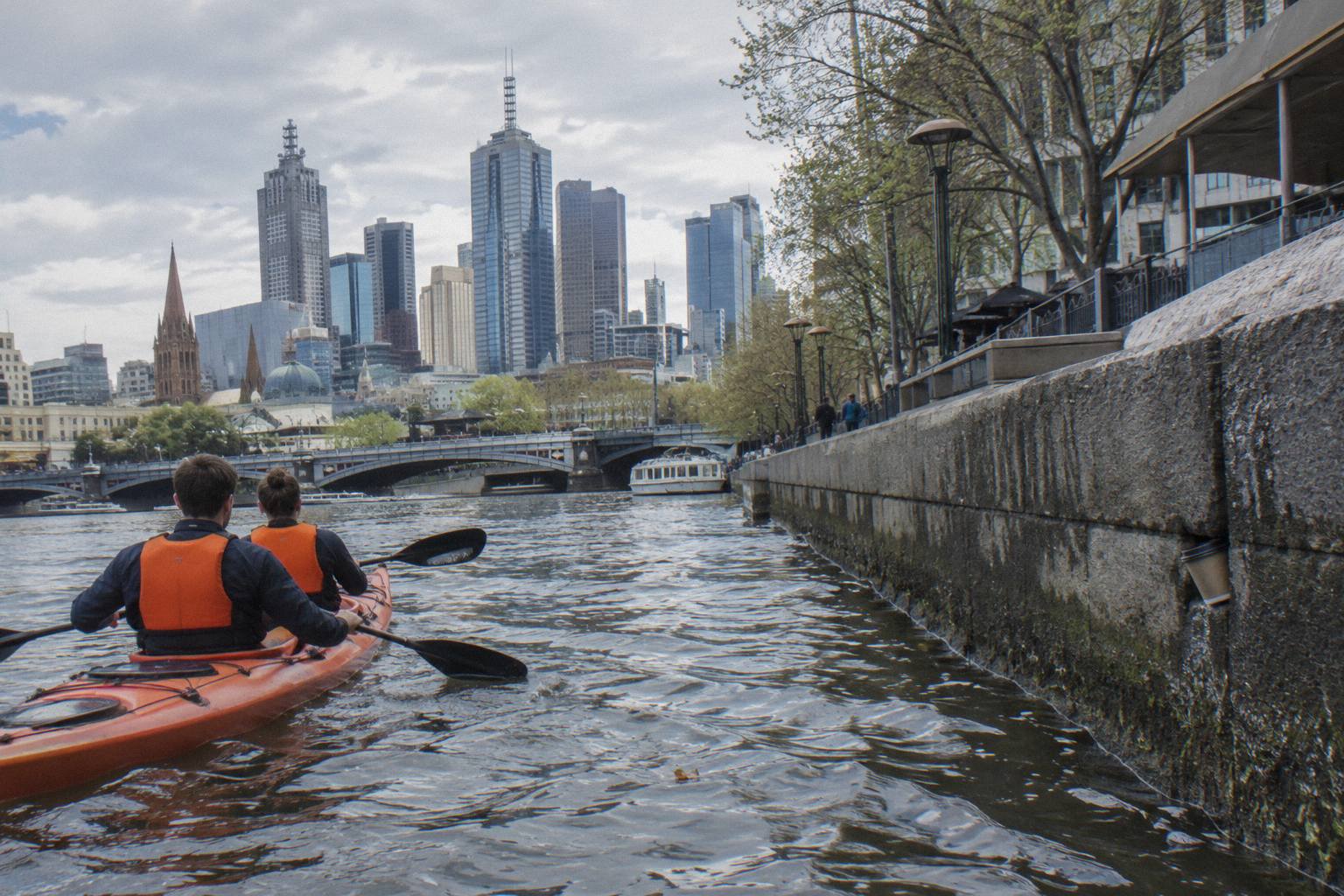
The two CBD trips and the Twilight Kayak sit on the calmest and most contained water of the eight. That is not a promise about any particular day, wind and rain still decide conditions, but it is a fact about the water itself: an enclosed river stretch with a guide, in a group that the booking pages cap at 18 or 20. The Wonga Park whitewater trip is the one place where the equipment list grows: the booking page includes a helmet and a lifevest on every paddler, GoPro mounts on the helmets, and a stated maximum weight of 120 kg. The age minimums also differ per trip, 10 on City Sights, 12 on the two evening trips, 10 on the whitewater trip and the Apollo Bay trip, and no published minimum on the others, so ask the operator there.
If a first river paddle with a guide sounds like the right entry point, the three below are the city and river options with printed figures, and all prices are in Australian dollars.
What Do The Operators Supply, And What Do You Bring?
Operators supply the core safety kit on all eight trips: life jackets, paddling equipment, and a guide or driver-guide on every guided outing, with extras varying by water, so the whitewater trip adds a helmet, Apollo Bay adds a wetsuit and helmet, the Twilight Kayak adds thermals and a spray jacket, and the Sorrento swim supplies full-length wetsuits. You bring just a water bottle, sun protection, and weather-appropriate clothing.
The operator's own FAQ answers the clothing question plainly: "No special clothing is required." The recommended bring list is a water bottle, a sun hat, or a beanie on evening trips, sunglasses, weather-appropriate clothing and a change of clothes. Kayak Melbourne also supplies 45 L dry bags for gear, a small zip pocket in the life jacket front for a phone, sunscreen and sanitiser on the day trips, and secure storage at the base. In practice, the safety-critical items, the lifejacket, the kayak, the paddle and in most cases the warm layers, are covered, and what is left to you is the sort of clothing and sun protection you would bring to any outdoor activity.
| Trip | Lifejacket | Extra safety or comfort gear included | Guide |
|---|---|---|---|
| Sunset Kayak With Dinner | Yes | Waterproof bags, spray gear, dinner | Yes, experienced guide |
| City Sights Kayak | Yes | Sunscreen, sanitiser, secure storage, dry bags | Yes, kayak tour guide |
| Twilight Kayak | Yes | Thermals, spray jacket, snacks and drinks, photos by email | Yes, professional guide |
| Yarra Whitewater | Yes | Helmet with GoPro mount, shuttle back to your car | Yes, expertly guided |
| Yarra Canoe Wildlife Paddle | Yes | Paddling introduction, safety gear | Yes, licensed tour operator |
| Dolphin Sanctuary Sea Kayak | Yes | All safety equipment, driver-guide | Yes |
| Dolphin And Seal Swims | On the boat | Full-length wetsuits, all snorkelling equipment, on-board hot showers | Yes, qualified naturalists |
| Apollo Bay Seal Kayak | Yes | Wetsuit, helmet, surf safety instruction | Yes, qualified guides |
For the entry-level question, kayaking in Melbourne for beginners covers the training component every trip begins with. The operator's FAQ is reassuring on first-timers: the answer to whether beginners can join is "Absolutely", and the fitness question gets "somewhat active you will be fine". Every trip starts with a training component and basic skills instruction before the paddle proper, which is where the guide checks the lifejacket fit, the kayak entry and the paddle stroke. That instruction is part of the product, not an add-on.
The City Sights Kayak on the Yarra through the CBD is the shortest of the three city paddles at 1 hour 45 minutes, rated 4.9 from 162 reviews, from A$82 per person, with all paddling equipment and a guide included and a minimum age of 10. If the short format with instruction sounds right for a first family paddle, Check availability for your date, and note the 24-hour free cancellation window on the booking page.
Is Yarra Water Quality A Concern For Paddlers?
Yarra water quality is a manageable concern rather than a barrier: paddling counts as secondary contact, and Melbourne Water and the EPA monitor it through Yarra Watch, sampling E. coli at Launching Place, Healesville, Warrandyte and Kew with a daily forecast. Kew, which reflects the CBD, has ranged from 74 to 6,500 organisms per 100 mL against a 260 swimming guideline, so keep contact secondary and never swim there.
The practical reading for a paddler is simpler than the numbers suggest. A kayak trip keeps you in the boat, the operator's FAQ on getting wet says "Generally no, you may get a slightly wet midriff or butt if it's very windy or raining", and the dinner trip is eaten seated in the kayak rather than beside the water. Secondary contact, hands, splash, paddling, is a different exposure category from swimming, and the bylaws that close the CBD stretch to swimming are about the swimming exposure. The background on the program is on the Melbourne Water page on Yarra water quality, which also explains that quality "can vary dramatically day-to-day due to rainfall".
Rainfall is the variable worth watching. After heavy rain the catchment runoff lifts the bacteria readings, which is why the forecast is daily rather than seasonal, and why a trip the day after a big storm can face a different water picture than the same trip a week later. The operator makes the call on whether the trip runs, and the weather section below covers what happens to your booking if they cancel. For planning around the calendar rather than the forecast, the best time for kayaking in Melbourne works through the seasons.
For the bay trips, the water quality question has its own instrument: the EPA Beach Report publishes daily forecasts for named Port Phillip Bay sites, from Altona to Brighton and Blairgowrie, updated at 3:00pm each day and rated with wording such as "Good, stormwater pollution unlikely". A reader booked on a Mornington Peninsula paddle can check their beach on the EPA Beach Report the afternoon before. No colour, smell or clarity claim is made here about either water, because none is published: the numbers and the ratings are the evidence, and both are refreshed daily.
What About Shipping Traffic And Marine Wildlife Rules?
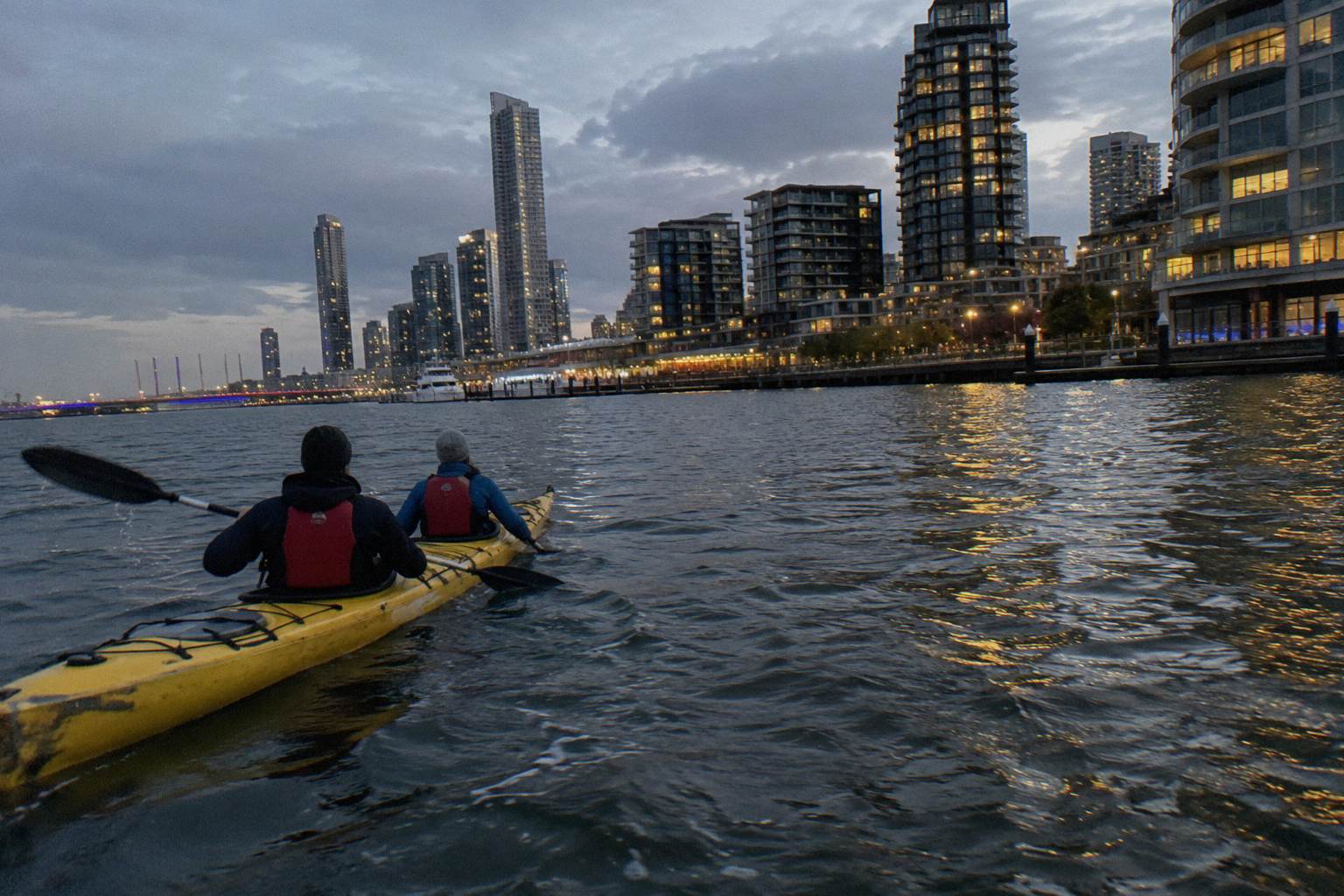
Yes, shipping traffic matters: the transit only zone from Point Gellibrand south to latitude 38 S bans anchoring, mooring, drifting and fishing, and the shipping channels are a high hazard to steer well clear of, so guided kayak trips stick to nearshore routes far from port approaches. Marine wildlife rules also apply, with boats barred within 100 m of dolphins, swimming banned within 30 m, and no touching or feeding of seals or dolphins.
The wildlife rules matter for the bay trips because the animals are the draw. The Dolphin Sanctuary Sea Kayak at Portsea paddles inside a sanctuary the operator has chosen for its nearshore conditions, and the operator's own wording is an "opportunity to spot" Burrunan dolphins, Australian fur seals and little penguins, never a guarantee. That wording is not caution for its own sake, it maps to the state rules on distances from marine mammals, which set the 100 m boat distance for dolphins, a 300 m distance for jet skis, and a ban on touching or feeding any seal or dolphin. A guided trip is the simplest way to stay inside those distances, because the guide holds the line and the group follows.
One boundary worth knowing: the Melbourne kayak trips do not go to Pope's Eye or Point Nepean. Pope's Eye, inside the Port Phillip Heads Marine National Park, is described by Parks Victoria as a destination for pleasure craft and licensed tour operators, and Point Nepean is a national park reached by land or ferry. The Yarra trips stay on the river, and the Portsea sea kayak stays inside the sanctuary waters toward Point Nepean and back to Sorrento with a half-way beach stop, per the operator's page. Readers weighing a boat-based dolphin swim against a paddle can compare the two in dolphin swim or kayak trip near Melbourne.
The penguin question comes with its own boundary. About 1,400 little penguins use the St Kilda Pier and Breakwater, and since October 2025 viewing has been from a 150 m boardwalk in free ticketed evening sessions run by Phillip Island Nature Parks, bookings essential. That viewing is from the boardwalk, not from a kayak, and the story is told properly in St Kilda penguins and kayak trips. On the water, penguins appear in operators' wording only as an opportunity to spot, in the same breath as the dolphins and seals, and never as a promised sighting.
Who Decides If A Trip Runs, And What Happens If It Is Cancelled?
The operator makes the call on the day. Kayak Melbourne says tours run "rain, hail or shine" but reserves the right to cancel if a trip would be unsafe, and if the operator cancels you get a refund or a reschedule; the booking pages echo this, promising an alternative date or a full refund when weather stops either the daytime tours, which are subject to favourable weather, or the Twilight Kayak, which runs in most conditions.
The other five trips state no weather policy on their booking pages, so ask the operator there before you book. What all eight trips do carry is the same booking-window rule: free cancellation up to 24 hours before departure, and no refunds inside that window once it is the operator's guest policy in question. The two rules interlock in a way worth understanding before you book. If you cancel more than 24 hours out, the booking-page rule applies and you cancel free. If the operator cancels for weather, at any time, the weather wording applies and you choose a new date or a full refund. The gap is the last 24 hours on your side of the ledger, when a no-show for any reason is not refunded.
The Sunset Kayak With Dinner is the trip with the most reviews of the eight, rated 4.9 from 196 reviews, from A$120 per person for 3 hours including dinner, and its evening timing is exactly the format where the weather call matters most, since the trip meets just before sunset and the departure time shifts with daylight saving rather than sitting at a fixed hour. The deeper story of evening formats is in sunset and twilight kayak on the Yarra.
For the cancellation mechanics in full, including what happens to dinner trips and group bookings, what happens if a Melbourne kayak trip is cancelled for weather walks through each operator's wording. The short version for a reader comparing trips today: read the weather line on the booking page for the trip you want, confirm the 24-hour window, and book with the knowledge that a weather cancellation returns your money or moves your date rather than losing it.
What Trips People Up Before A Melbourne Kayak Paddle
Mistakes start with the base: evening dinner trips meet at the Docklands hub, day trips start and end at Boathouse Drive, and no trip includes hotel pickup. People also assume one age rule when minimums are 10 or 12 by trip, miss the 24-hour cancellation window, expect a single kayak rather than boats for two, and treat wildlife or the fire show as guaranteed.
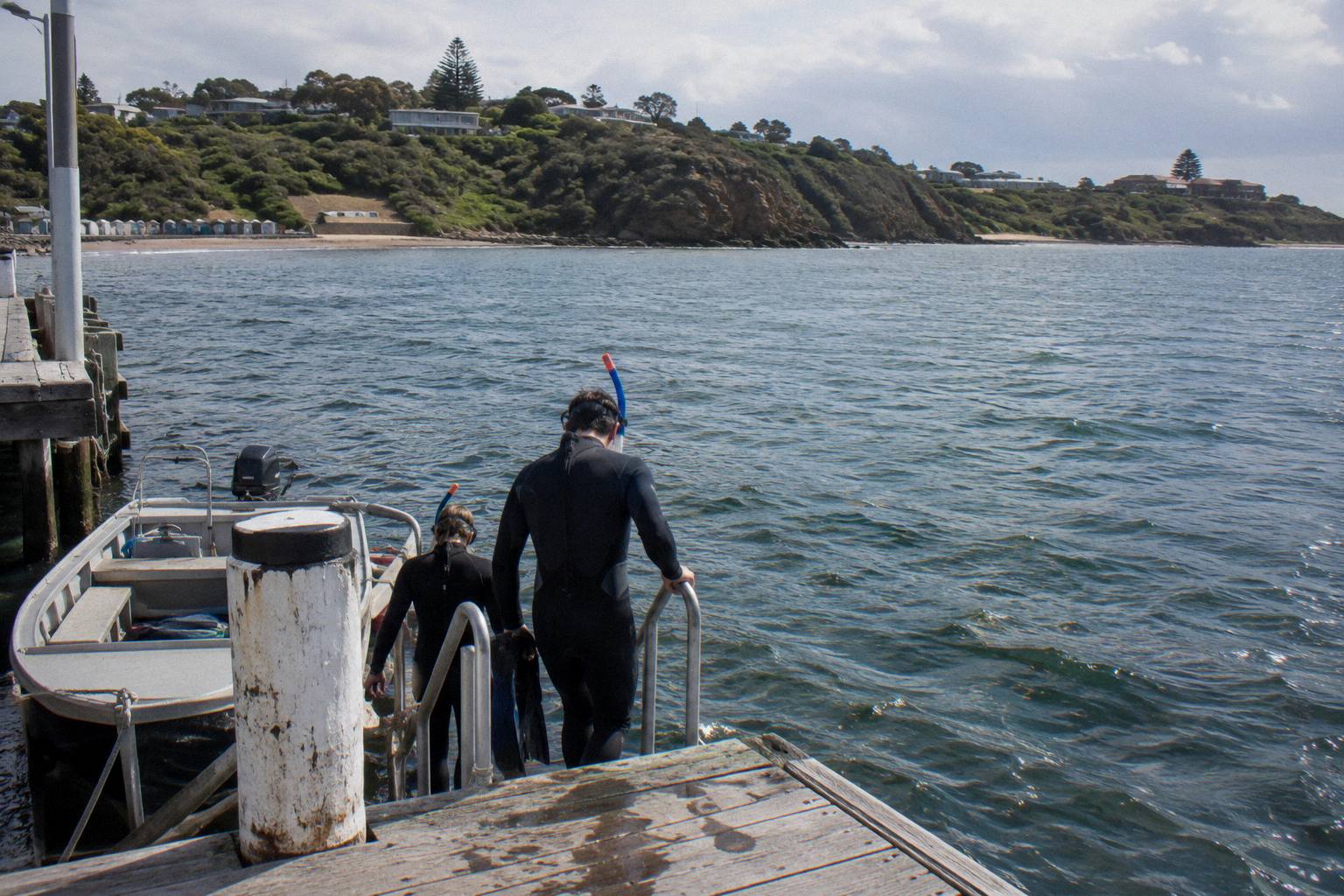
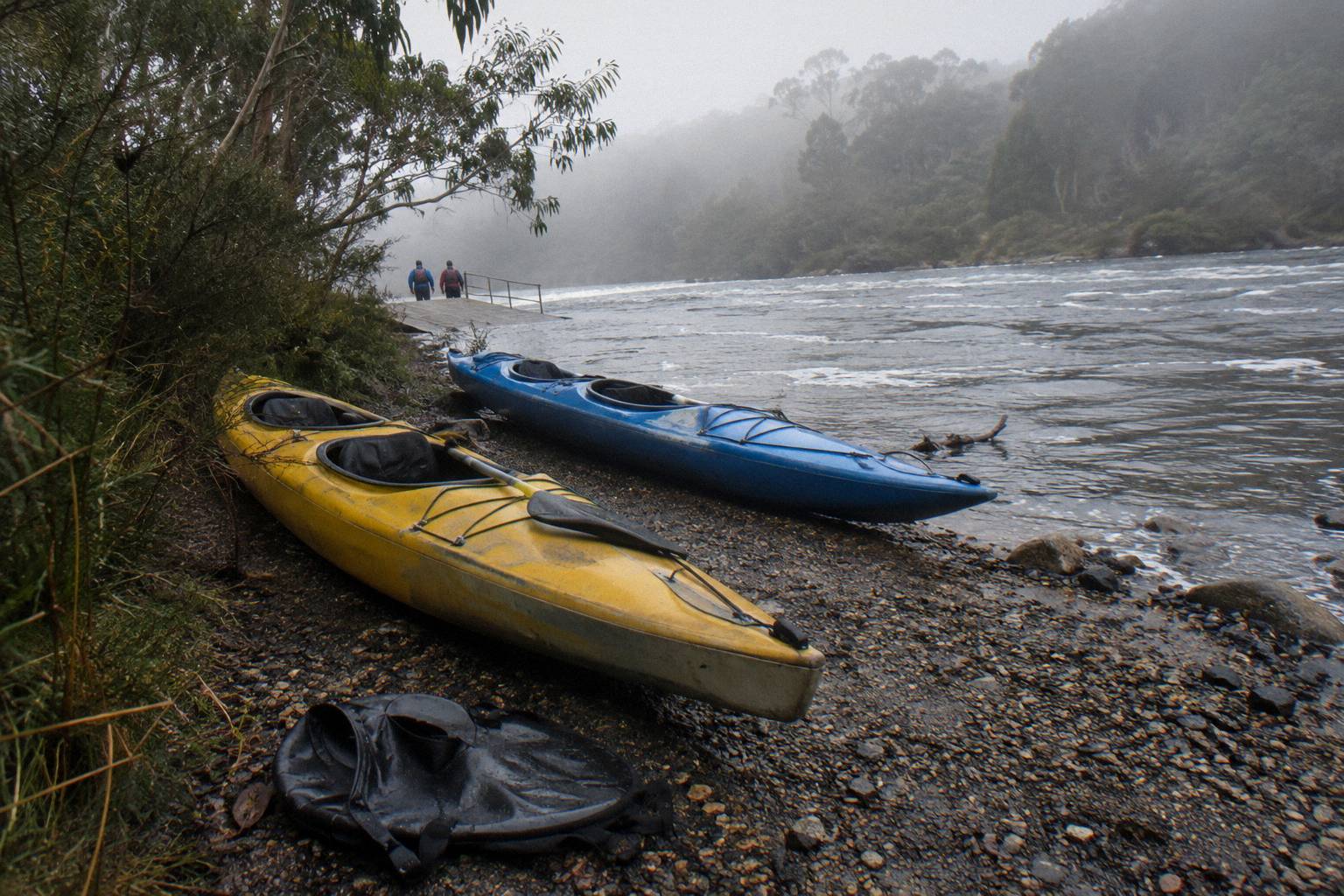
Every trip here is self-arrival. The booking pages say so in each case: self-arrival at the Docklands hub for the dinner trip with no hotel pickup, self-arrival at Boathouse Drive for City Sights with no hotel transfer, self-arrival at Boathouse Drive for Twilight, at the Wonga Park launch for whitewater, at Fairfield Park Drive for the canoe paddle, at the Portsea store, at Sorrento Pier, and at Marengo. The whitewater listing includes a shuttle back to your car at the end, which softens the logistics. For the canoe paddle, check the booking page for what is covered. Planning the journey to the meeting place is part of the booking decision, not something the trip absorbs.
The kayak format surprises people who have paddled alone before. Kayak Melbourne states plainly, "We do not use single kayaks": the fleet is 2-person fibreglass sea kayaks, and a solo guest is paired with another paddler or with a guide, which for a nervous first-timer is a genuine advantage since the steering and the pacing are shared. A parent and child can share one boat, with minors paddling alongside a participating adult. The questions of stability and getting wet have their own answers in will I get wet on a kayak trip in Melbourne and is kayaking hard for beginners.
Two more traps close the list. Wildlife is never guaranteed: every operator's wording is an opportunity to spot, and the penguin viewing at St Kilda is a boardwalk experience separate from any paddle. And the Crown fire show that some evening trips are timed around carries no published time and no nightly promise; the operator words its evening trips around the Gas Brigades, and the question to ask at booking is what time your date's departure lands relative to it, since sunset shifts with daylight saving, which ends on the first Sunday in April and starts on the first Sunday in October in Victoria.
How To Pick A Trip That Matches Your Comfort Level?
Pick your trip by matching the water to your appetite rather than the brochure to your budget: the calmest, shortest option is the 1 hour 45 minute City Sights Kayak on the CBD river from A$82 per person, the 3 hour Sunset Kayak With Dinner from A$120 per person suits a relaxed evening, Portsea covers open water and wildlife, and Wonga Park serves whitewater from A$109 per person.
For a family with a child of 10 or 11, the arithmetic narrows on its own: the evening trips require 12, so the City Sights day format is the city option that fits, and the family angle is covered in kayaking with kids in Melbourne. For a rain-averse reader, the weather wording differs by trip as described above, and the 24-hour free cancellation window is the buffer that matters. For a solo traveller, the two-person kayak format means a guide or a partner in the boat rather than solitude, and the Twilight Kayak's small-group format, up to 20 paddlers, thermals, spray jacket, snacks and tour photographs by email, from A$110 per person for 2 hours 30 minutes, is the middle option between the short day paddle and the long dinner trip.
The bay and ocean options deserve their own weighing rather than a footnote. The Dolphin Sanctuary Sea Kayak at Portsea runs 3 hours with up to 24 paddlers, the price shows during booking, and the route stays inside sanctuary waters. The Apollo Bay Seal Kayak runs 2 hours with Australian fur seals as the stated attraction, sit-on-top kayaks and an hour and a half of instruction and touring, minimum age 10, but Apollo Bay sits about three hours from Melbourne, so it belongs to a Great Ocean Road itinerary rather than a day trip from the city. The comparisons live in sea kayaking on Port Phillip Bay and kayaking with seals near Melbourne.
What to ask an operator before booking, built only from their published rules: what the weather call looks like for your date and what happens to your booking if they cancel; what the exact meeting point is, with full trip details listed on the live booking page; what the age minimum is for your group on that specific trip; what clothing the season calls for beyond the supplied gear; and, on the bay trips, what the route is if the wind is up. Ask those five questions in one email and the replies will cover every rule that applies to your booking.
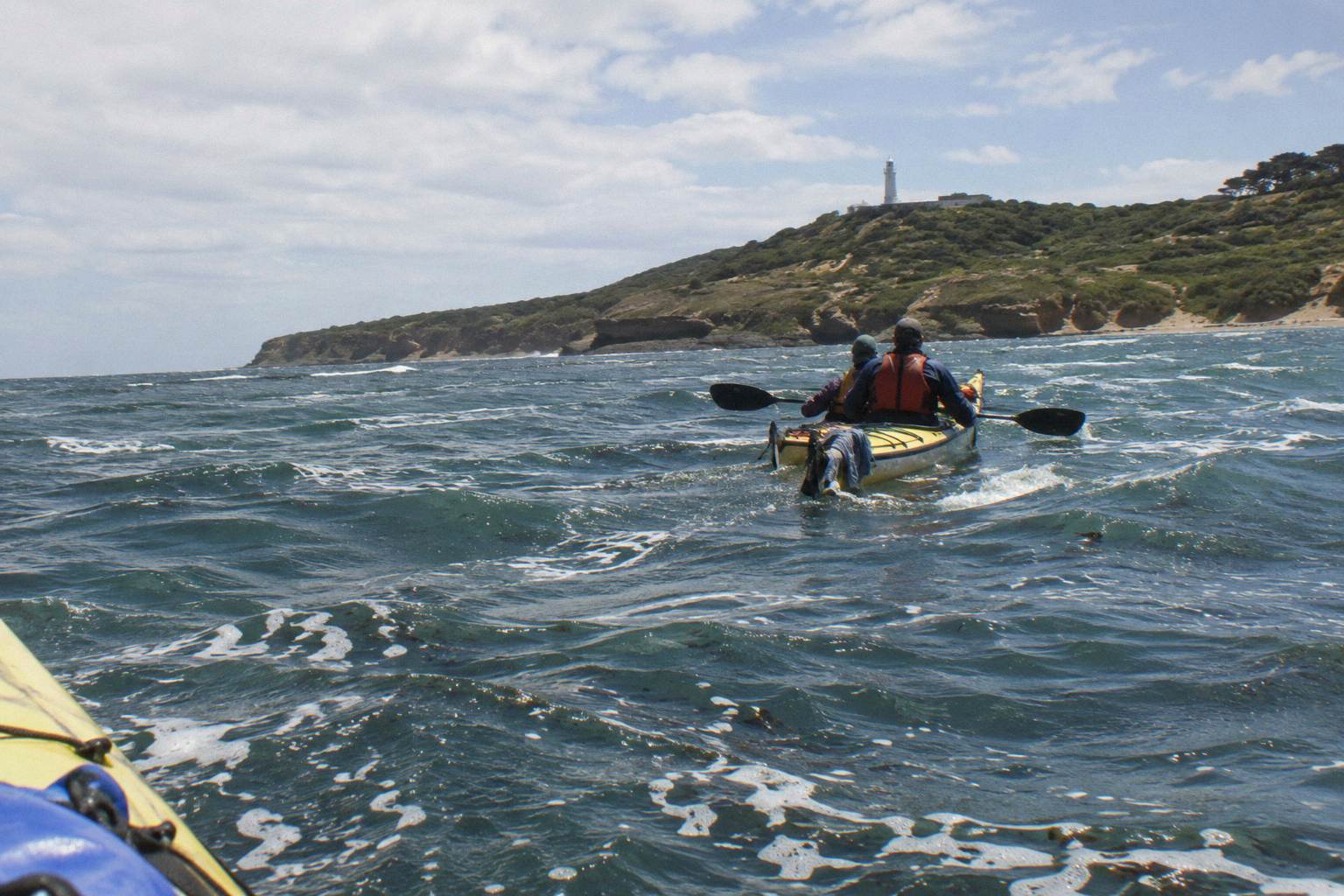
For coverage that goes beyond the city, from the peninsula to Phillip Island and Geelong, Melbourne Kayak Tours also maps the sea paddles around Port Phillip, and the planning piece for fitting a paddle into a bigger Melbourne itinerary is how to plan a Melbourne day around a kayak trip.
Common Questions About Kayak Safety In Melbourne
Do You Need To Wear A Life Jacket Kayaking In Melbourne?
Yes, on every water. Victoria requires a lifejacket to be worn when paddling a kayak on coastal, enclosed and inland waters, and the 400 m exemption sometimes cited applies only to stand up paddleboards, kiteboards and sailboards. Every guided trip covered here supplies life jackets and fits them before the paddle begins.
Is The Yarra Safe To Swim In On A Kayak Trip?
Nobody should swim or wade in the CBD Yarra. Local bylaws prevent swimming in that stretch, and Melbourne Water's Yarra Watch shows E. coli at Kew ranging from 74 to 6,500 organisms per 100 mL in testing against a 260 swimming guideline. Paddling is secondary contact, and kayak trips keep you in the boat.
What Happens If The Weather Cancels My Kayak Trip?
The operator decides on the day. Kayak Melbourne says tours run "rain, hail or shine" and reserves the right to cancel if a tour would be unsafe, offering a refund or a reschedule when it does. Its two trips and the Twilight Kayak name an alternative date or a full refund on a weather cancellation; the other five state no weather policy, so ask when you book.
Are The Shipping Channels A Risk For Kayakers On Port Phillip Bay?
They are a high hazard for small craft, which is why Safe Transport Victoria runs a transit only zone from Point Gellibrand south to latitude 38 S where small boat operators must not anchor, moor, drift or fish. Guided kayak trips here stay on nearshore routes far from the port approaches, and the guide carries responsibility for the route.
Can You Get Close To Dolphins And Seals On A Bay Trip?
Victorian rules set the distances: no boat within 100 m of a dolphin, no swimming within 30 m, and no touching or feeding seals or dolphins. Bay operators advertise an opportunity to spot Burrunan dolphins and Australian fur seals, never a guarantee, and the guide keeps the group inside the legal distances.
Do Melbourne Kayak Trips Include The Safety Equipment?
Yes. All eight trips include life jackets and paddling equipment, and most add more: a helmet on the whitewater and Apollo Bay trips, thermals and a spray jacket on the Twilight Kayak, full-length wetsuits on the Sorrento boat trip. You bring clothing, a water bottle and sun protection; the operator states no special clothing is required.