Port Phillip Bay Water Temperature For Kayaking: Seasons, Air And What To Wear
Kayakers search for a Port Phillip Bay water temperature number that no official source publishes, because what they actually want to know is whether a bay paddle in the month they have in mind will be warm enough, and what to wear if it is not. The practical substitute is air data, and there is good air data.
Short answer
No official monthly water temperature exists for Port Phillip Bay. The one verified fact: the bay is enclosed and shallow, warmer than the open ocean in summer and colder in winter. For planning, Bureau of Meteorology records show mean maximum air of 26.8 °C in January and 14.5 °C in July, and every operator supplies the key gear.
| Quick fact | Figure |
|---|---|
| Official monthly water temperature | None published |
| Verified water fact | Bay warmer than the open ocean in summer, colder in winter |
| Warmest month (mean max air) | January, 26.8 °C |
| Coolest month (mean max air) | July, 14.5 °C |
| Summer / winter | December to February / June to August |
| Annual rain days of 1 mm or more | 88.4 |
| Lifejacket rule | Must be worn in a kayak on all Victorian waters |
| Bay water quality check | EPA Beach Report, updated at 3:00pm daily |
Why There Is No Official Port Phillip Bay Water Temperature
No government or science agency publishes a monthly water temperature series for Port Phillip Bay, so any exact degree figure you read on a travel page is an estimate dressed up as data. The one verified statement about the water itself is directional: the bay is enclosed and shallow, which leaves it warmer than the open ocean in summer and colder in winter. That single fact, plus air records, is enough to plan clothing and timing.
Paddlers arrive at the search for a water temperature because sea trips feel different from river trips: a bay paddle exposes you to wind, and a capsize or a splash matters more in cold months. The instinct is right even though the number does not exist. What replaces it is a chain of substitutes, each one documented. Air temperature from the Bureau of Meteorology sets how the paddle feels on your hands and face. The operator's gear list sets what sits between you and the water, and every sea operator covered here supplies life jackets, with Apollo Bay Surf And Kayak supplying wetsuits, helmets and PFDs as stated on its booking page. The EPA Beach Report sets whether the water at your beach carries a pollution forecast for the day.
The absence of a number also protects you from a false comparison. A degree figure would invite the thought that a July paddle is the same experience as a January one with a smaller number attached, which is not how a shallow bay behaves. Shallow water shifts with the season hard: warmer than the ocean when summer has baked it, colder when winter has chilled it. Treat the bay as seasonal in kind, not just in degree, and the planning decisions get easier rather than harder.
If a page or a forum post does show a monthly water table for the bay, ask where it came from, because there is no official series to quote. The planning path is the one below: air data by month, gear lists by operator, and a daily water quality forecast for your chosen beach.
What The Air Does Around The Bay, Month By Month
Bureau of Meteorology records from the Melbourne Olympic Park station, an 11 year record from 2013 to 2026, put the mean maximum air temperature at 26.8 °C in January and 14.5 °C in July, with annual rainfall of 577.7 mm spread over 88.4 rain days. Melbourne sits in the southern hemisphere: summer runs December to February and winter June to August. These are air figures, not water figures, and they are the right planning basis.
The table below is air temperature and rain, labelled as air, and it answers the timing question a water temperature search is really asking. October carries the highest mean rainfall in the record at 68.0 mm and one of the higher rain day counts at 9.1, while February is the driest month by both measures, 26.3 mm over 3.6 rain days. Summer months combine the warmest maxima with the fewest rain days; the shoulder months of March and April hold daytime warmth of 24.3 °C and 20.9 °C while rain days climb.
| Month | Mean max air (C) | Mean rain (mm) | Rain days 1 mm or more |
|---|---|---|---|
| January | 26.8 | 53.3 | 5.4 |
| February | 25.9 | 26.3 | 3.6 |
| March | 24.3 | 36.4 | 5.2 |
| April | 20.9 | 63.0 | 7.5 |
| May | 17.6 | 46.5 | 8.5 |
| June | 14.9 | 42.1 | 8.6 |
| July | 14.5 | 41.0 | 9.0 |
| August | 15.6 | 47.0 | 9.3 |
| September | 18.1 | 41.0 | 7.9 |
| October | 20.6 | 68.0 | 9.1 |
| November | 22.2 | 64.4 | 8.0 |
| December | 24.7 | 50.2 | 6.3 |
The record is short, 11 years, so read it as a guide to shape rather than a promise about any single month. The Bureau of Meteorology publishes the full station table at its Olympic Park climate averages page. One more planning note: daylight saving in Victoria ends on the first Sunday in April and starts on the first Sunday in October, which shifts how much light an evening paddle gets across the shoulder months.
A reader deciding between a February booking and an August one is choosing between a 25.9 °C mean maximum over 3.6 rain days and a 15.6 °C mean maximum over 9.3 rain days. Neither month is off the table; the second just moves the clothing and the expectations, which the sections below handle from the operators' own lists.
Which Months Suit A Bay Paddle Best
For warm air and few rain days, February and March lead the record, with mean maxima of 25.9 °C and 24.3 °C over 3.6 and 5.2 rain days. April, May, September and October are workable shoulder months with maxima between 17.6 °C and 20.9 °C but more rain days. June through August ask for the most clothing. The choice is comfort, not possibility: trips run year round.
Start with what kind of day you want. A visitor with one free afternoon and a preference for warm hands on the paddle aims for the December to March window, where every month's mean maximum sits at 24.7 °C or higher. A local who wants a quieter booking calendar and does not mind a beanie can take the May to September stretch, when the mean maximum never rises above 18.1 °C. The rain day column matters more than the rainfall column for a three hour trip: a month with 9.1 rain days still gives you roughly two dry days in three.
Wind matters on the bay more than on the river, and it is the one factor the monthly table cannot show, because wind is a day-of question, not a season average. This is why the cancellation question matters when you book: all eight trips covered here allow free cancellation up to 24 hours before departure on the booking page, and operators reserve the right to cancel a trip they judge unsafe. Kayak Melbourne's own wording is that its tours run "rain, hail or shine" while it reserves the right to cancel if it is unsafe. Neither statement promises conditions; both set the rules of the exchange.
For the bay specifically, three sea experiences sit among the options, and the month you pick shapes which one feels right. The Dolphin Sanctuary sea kayak from Portsea runs 3 hours from the Bayplay store in Portsea, with the price for your date shown during booking; check current spaces with Check availability. The Apollo Bay Seal Kayak runs 2 hours from Marengo, and the Dolphin And Seal Swims from Sorrento Pier is a 3 hour boat based swim trip rather than a paddle. All three allow the 24 hour free cancellation.
The swim option deserves a flag in a temperature discussion even though no water figure exists: full length wetsuits are included on the Sorrento trip's own inventory list, which tells you the operator treats the water as wetsuit water regardless of season. A kayak trip keeps you drier by design, but nobody should book a swim thinking the bay is a tropical lagoon, and nobody should book a winter paddle planning to dip a hand in and call it refreshing. Paddling is the activity; the water is the medium.
What To Wear On The Water By Season
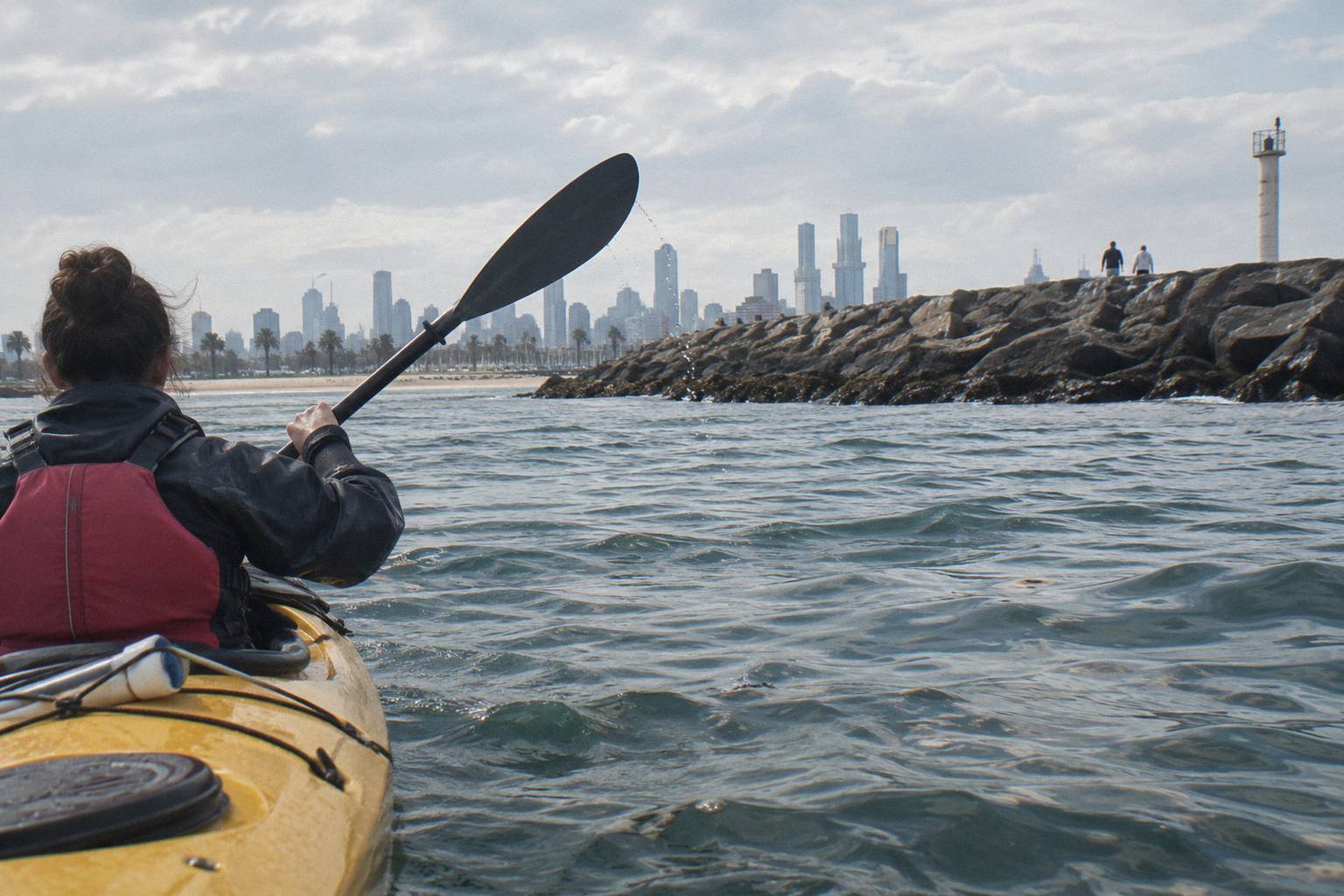
Kayak Melbourne's packing list is water bottle, sun hat, a beanie on evening trips, sunglasses, weather appropriate clothing and a change of clothes, and its FAQ states "No special clothing is required". The Twilight Kayak includes thermals and a spray jacket, and the Apollo Bay Seal Kayak includes wetsuits, helmets and PFDs. Layer from the air table: light in January, substantial from June to August.
The reason no operator publishes a month by month layering chart is that none needs to: the gear they hand you covers the gap between air and water, and your clothing covers everything else. On the city trips, 45 L dry bags are supplied and the life jacket carries a small zip pocket for a phone, so a change of clothes travels with the group rather than sitting damp in a locker. On the Twilight Kayak, Small Group run by Sea Kayak Australia, thermals and a spray jacket sit in the included equipment, alongside snacks, drinks and tour photographs sent by email.
| Trip | Season gear the operator supplies | What you bring |
|---|---|---|
| Dolphin Sanctuary Sea Kayak, Mornington Peninsula | Safety equipment including life jackets | Weather appropriate clothing, water bottle |
| Apollo Bay Seal Kayak | Wetsuits, helmets and PFDs, no extra charges | Swimwear for under the wetsuit, towel, change of clothes |
| Dolphin And Seal Swims, Sorrento | Full length wetsuits and all snorkelling equipment, on-board hot showers | Towel, change of clothes |
| Twilight Kayak, Small Group | Thermals, spray jacket, all paddling equipment | Beanie, sunglasses, change of clothes |
| Kayak Melbourne city trips | Paddling gear, spray jacket or deck in cooler months, 45 L dry bags | Sun hat, beanie for evenings, change of clothes |
Reading the table as a temperature answer: the operators who put you closest to the water, the Apollo Bay and Sorrento trips, are also the ones who supply wetsuits, which is the clearest signal available about how the operators themselves rate southern water against skin, in any month. The kayak trips, which keep you in the boat, ask for ordinary clothing plus a change. For more on clothing choices across all conditions, see what to wear kayaking in Melbourne, and for the cold months specifically, the reasoning in whether it is cold on the water carries the same logic.
One clothing rule does not move with the season: the lifejacket. Victorian rules through Safe Transport Victoria state "You must wear a lifejacket when paddling crafts such as a kayak, canoe, surf ski, raft, or rowboat", with a Level 100, Level 50 or Level 50S jacket accepted on coastal, enclosed and inland waters. The 400 m from shore exemption that applies to stand up paddleboards, kiteboards and sailboards does not apply to kayaks. Every operator here supplies life jackets, so the rule costs you nothing but a strap adjustment.
Safety Rules That Change How You Plan A Bay Trip
Three rules shape a Port Phillip paddle: a lifejacket must be worn in a kayak on all Victorian waters, the bay's transit only zone from Point Gellibrand south to latitude 38 S bans anchoring, drifting and fishing for small boats, and the EPA Beach Report publishes a daily 3:00pm water quality forecast for named bay beaches. Guided trips handle the navigation side; the Beach Report is worth a personal check for your day.
The transit only zone exists because the bay's northern reaches host shipping, and the official wording tells small boat operators to exercise caution and steer well clear of the channels. A guided group is not threading that needle alone: the operator picks the line. What the rules add for a reader is context for why bay trips start where they do, at Portsea for the Dolphin Sanctuary trip or at Sorrento Pier for the swim boat, on water the operator has chosen for the purpose. The full small craft rules are set out in the Safe Transport Victoria boating handbook, and the kayak specific page, Safe Transport Victoria's kayaks and canoes guidance, covers lifejackets, the offshore kit for open water and the exemptions that exist, which are not licence or registration specifics you should guess at; read the page itself for those.
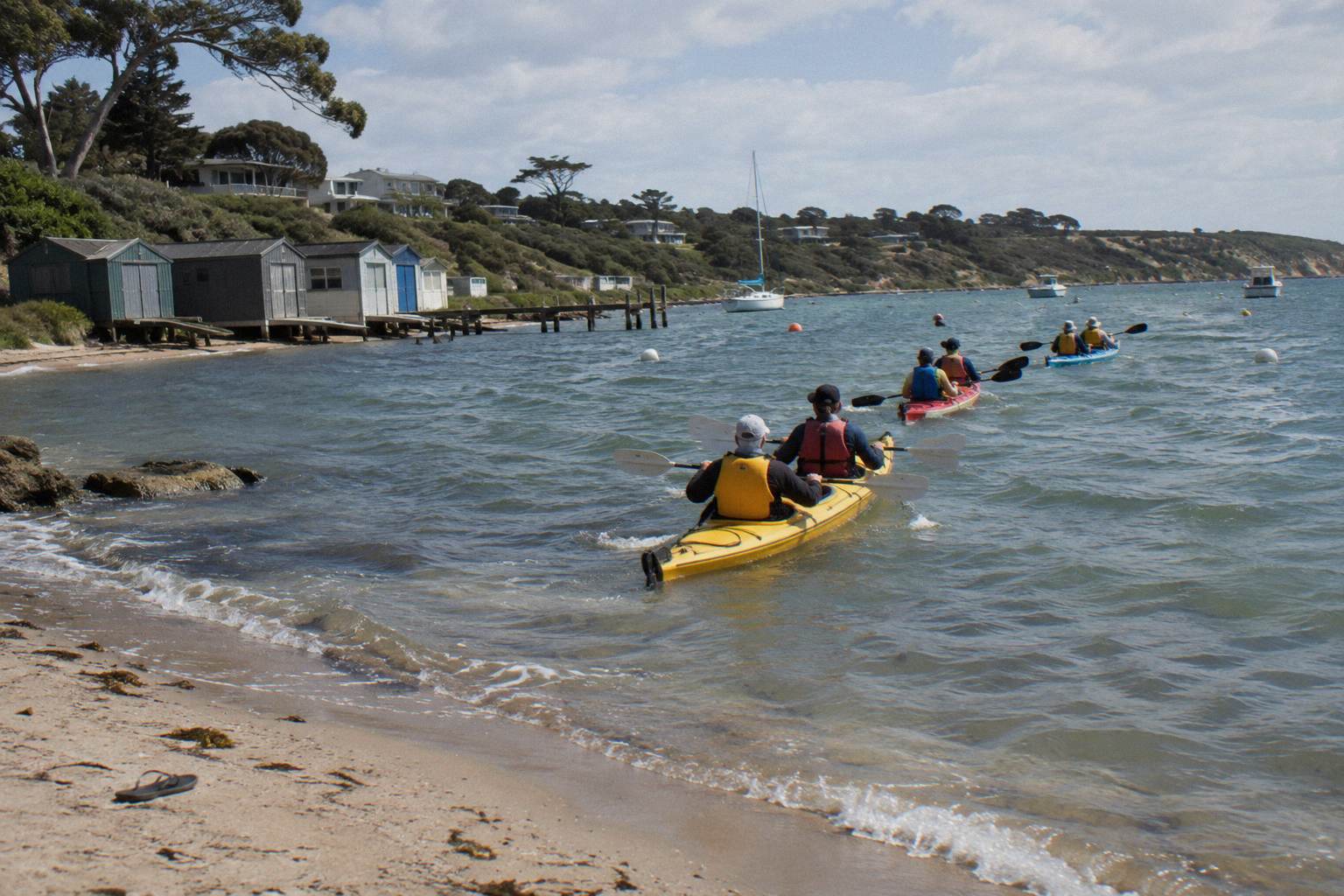
Wildlife rules are the other planning item, because the bay trips are sold around Burrunan dolphins, Australian fur seals and little penguins, and the law is stricter than most visitors assume. Boats may not go within 100 m of a dolphin, swimmers may not enter the water within 30 m of one, and touching or feeding seals or dolphins is illegal, per the Victorian wildlife authority's marine mammal approach rules. Bayplay's own wording is "the opportunity to spot" the dolphins, seals and penguins: an opportunity, never a guarantee, and a kayaking group that respects the distances is a group that keeps the opportunity open.
The EPA Beach Report covers named bay sites from Altona to Blairgowrie with a daily forecast updated at 3:00pm, rated for example "Good, stormwater pollution unlikely", published so people can judge the likelihood of pollution that could make them sick. Checking the report for your beach and your date takes a minute and is the closest thing that exists to a daily water reading for the bay. The bay side of the story is different from the Yarra, where Melbourne Water's Yarra Watch monitoring shows E. coli varying dramatically with rainfall and the CBD stretch carries swimming bylaws; paddling there is secondary contact only. That river story is covered in full at is the Yarra safe to kayak.
The Sea Trips Around The Bay, Compared On Stated Facts
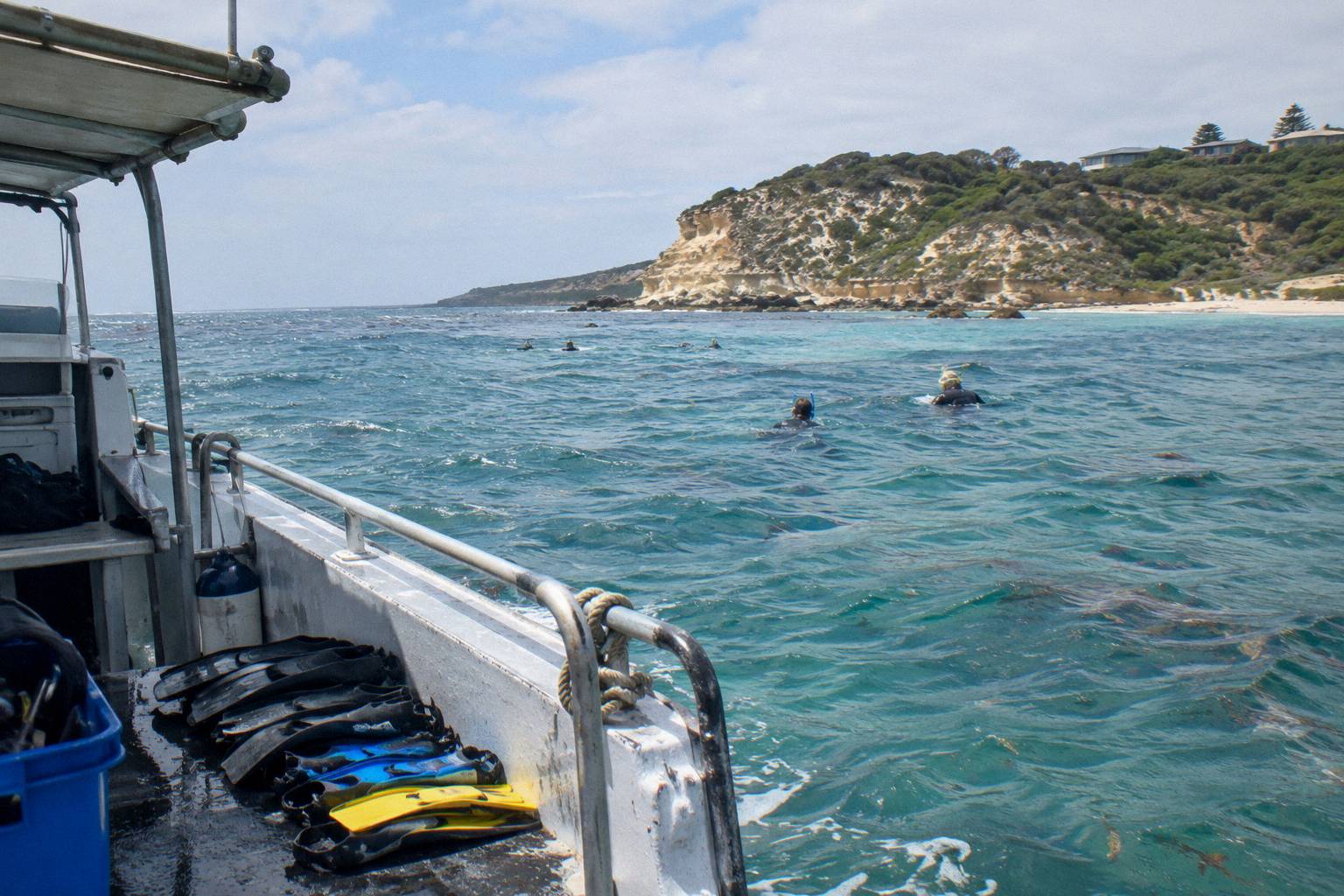
Three trips cover the salt water side: the Dolphin Sanctuary Sea Kayak, 3 hours from Portsea with a group size of up to 24; the Apollo Bay Seal Kayak, 2 hours from Marengo, which is about 3 hours from Melbourne and not a city day trip; and the Dolphin And Seal Swims, 3 hours from Sorrento Pier by purpose built boat. None lists a from-price, so the price for your date shows during booking.
Comparing them is comparing formats and waters, not winners. The Dolphin Sanctuary trip is a paddle: a driver-guide, all activities and safety equipment including life jackets, self arrival at the Portsea store, with hotel pickup not included. The Sorrento trip is a swim trip by boat, with snorkelling equipment, full length wetsuits, lunch, refreshments, hot drinks and on-board hot showers, guided by qualified naturalists. The Apollo Bay trip is a paddle with an instruction component, one and a half hours of instruction and touring inside its 2 hour window, sit on top kayaks, and viewing of Australian fur seals listed among the inclusions with no extra charges.
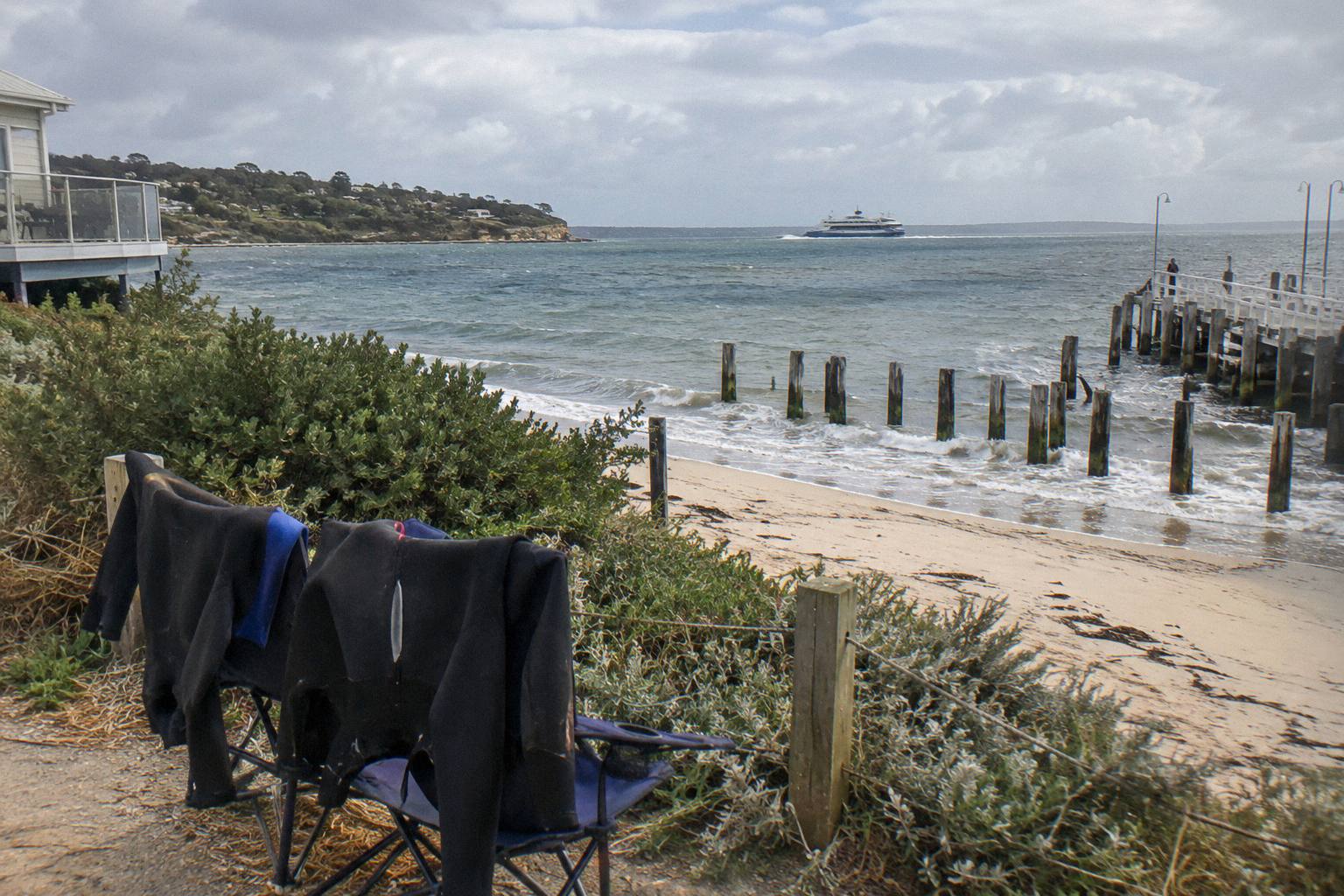
Geography is the quiet decider. Portsea and Sorrento sit near the tip of the Mornington Peninsula, roughly 110 km south of the city by road near Point Nepean, reachable also by the Queenscliff to Sorrento ferry or the PTV 788 bus from Portsea. Marengo at Apollo Bay is on the Great Ocean Road side, about three hours from Melbourne, which makes the seal kayak a trip for an overnight stay on that coast rather than a spur of the moment booking. For paddles on the peninsula side, Melbourne Kayak Tours covers the Mornington Peninsula options in more depth, and the season question for that stretch of coast is the same one answered here with air data.
The dolphin framing deserves one repetition because it is the most common disappointment: operators say opportunity, and the law enforces distance, so a trip can be excellent without a dolphin passing close. A guest booking in February with glassy water and a sighting is lucky twice; a guest booking in August with wind and none is not owed anything beyond a professionally run paddle, and that is what the reviews that exist, 4.9 from 196 reviews for the Sunset Kayak With Dinner on the city side, actually measure. Ratings for the three sea trips are not published, so say nothing about them.
Common Mistakes When Planning A Bay Paddle
The recurring mistakes: believing a published water temperature exists, assuming Apollo Bay is a day trip from Melbourne, treating a dolphin sighting as guaranteed, packing for air temperature while ignoring wind, missing that hotel pickup is not included on the sea trips, and cutting the 24 hour cancellation window too fine. Each one is avoidable with the stated facts.
The first mistake is chasing the number. Months of searching will not produce an official monthly water temperature for the bay, because none is published; the substitute chain, air data, gear lists and the Beach Report, answers the real question better than a guess would. The second is geography: Apollo Bay and Marengo sit about three hours from Melbourne, so a seal kayak booking belongs to a Great Ocean Road itinerary, not a city afternoon, while Portsea and Sorrento work as peninsula day trips with a drive or the ferry.
The third is wildlife. Booking any of the three sea trips around a guaranteed sighting sets up disappointment that the operator never promised; the wording is "opportunity to spot", and the marine mammal rules keep boats 100 m from dolphins regardless. The fourth is clothing: planning against the mean maximum while ignoring that wind, not water, is what makes a bay paddle feel cold, which is why the operator lists a beanie and a change of clothes rather than a jacket rating. The fifth is transport: every one of the eight trips is self arrival at its own meeting point, so the Portsea store, Sorrento Pier and Marengo are all addresses you reach yourself.
The sixth is the cancellation clock. Free cancellation runs up to 24 hours before departure on the booking page for all eight trips, and inside that window no refund is given for guest cancellations on the city operator's stated policy. Booking a bay trip the night before, when the wind forecast is still uncertain, spends that protection. Book early, watch the forecast, and hold the 24 hour line for a genuine change of plan.
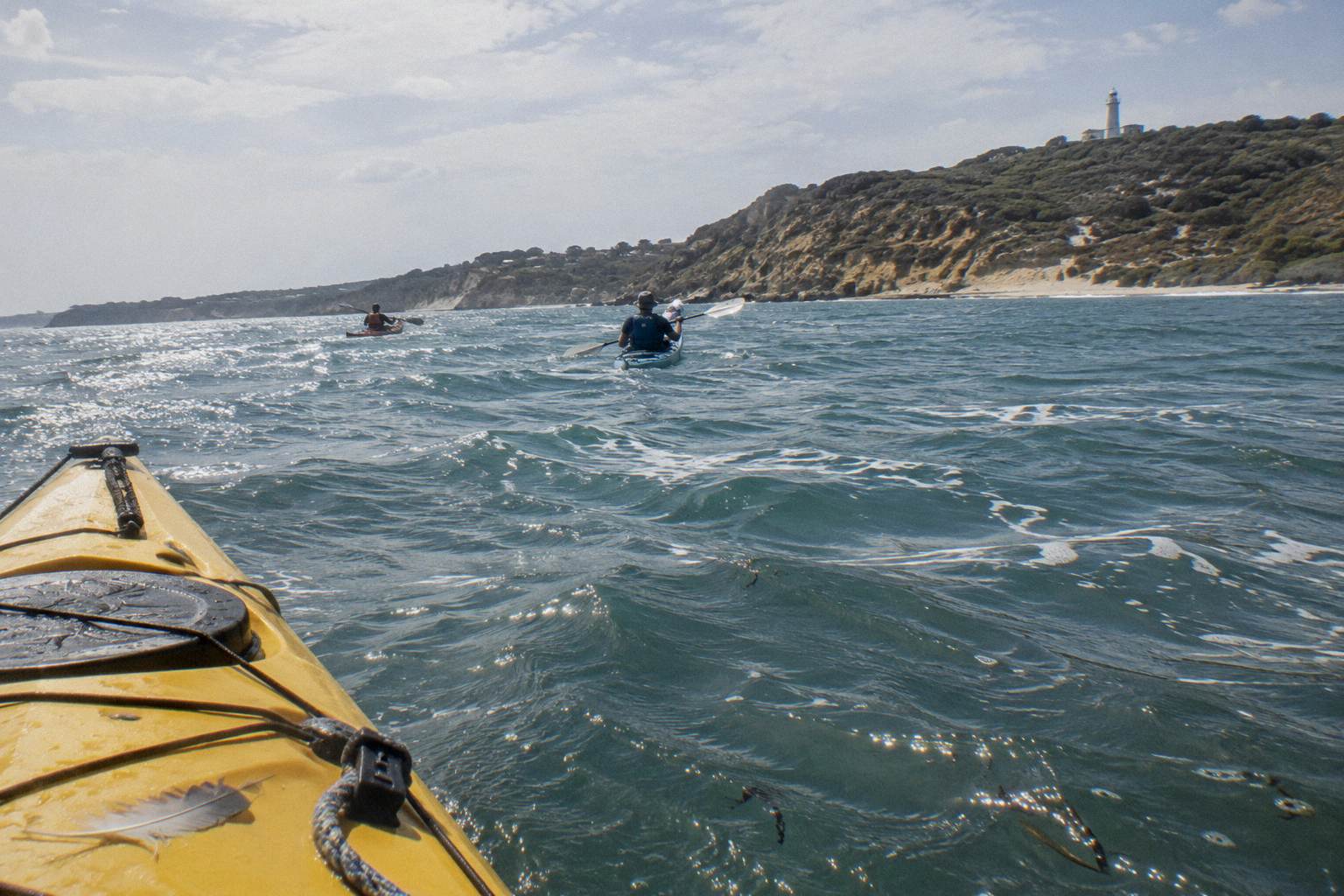
What To Ask The Operator Before You Book
Five questions cover the gaps that published figures leave open: the departure and return times for your date, what happens if the operator cancels for weather, the minimum age for your group, exactly what gear is supplied in your month, and the meeting point logistics for your transport. Every operator answers these on request, and none of the answers is guessable from a temperature search.
Start with timing, because a "3 hours" duration is a shape, not a schedule: departure times move with daylight saving across the year, and the evening city trips are timed around sunset, which shifts week to week. The booking page shows the departure for your date, and the return time is worth confirming in one message. The Moonlight style evening paddle on the Yarra meets at the Docklands hub, so check the live listing for full trip details.
Second, weather. Kayak Melbourne's published policy is tours run "rain, hail or shine" with the right to cancel if unsafe, and an operator cancellation brings a refund or a reschedule. The sea operators' exact reschedule terms are worth a direct question, since a bay trip can be cancelled for conditions a river trip would shrug off. Third, ages. The published minimums are per trip: 12 for the Sunset Kayak With Dinner, 10 for the City Sights Kayak, 12 for the Twilight Kayak, 10 for the whitewater trip and the Apollo Bay seal kayak; the Dolphin Sanctuary and Sorrento trips ask you to confirm with the operator. Never assume one trip's age applies to another.
Fourth, gear in your month. The published lists are seasonless: thermals on Twilight, wetsuits on Apollo Bay, spray jackets in cooler months on the city trips. Ask what changes in the month you booked, and whether anything you should bring differs from the standard list. Fifth, logistics: parking near the Portsea store, ferry and bus options for Sorrento, and where at Marengo the trip meets. A five minute message settles all of it before money moves, and with the 24 hour free cancellation on all eight trips, you keep a full escape hatch after the answers arrive.
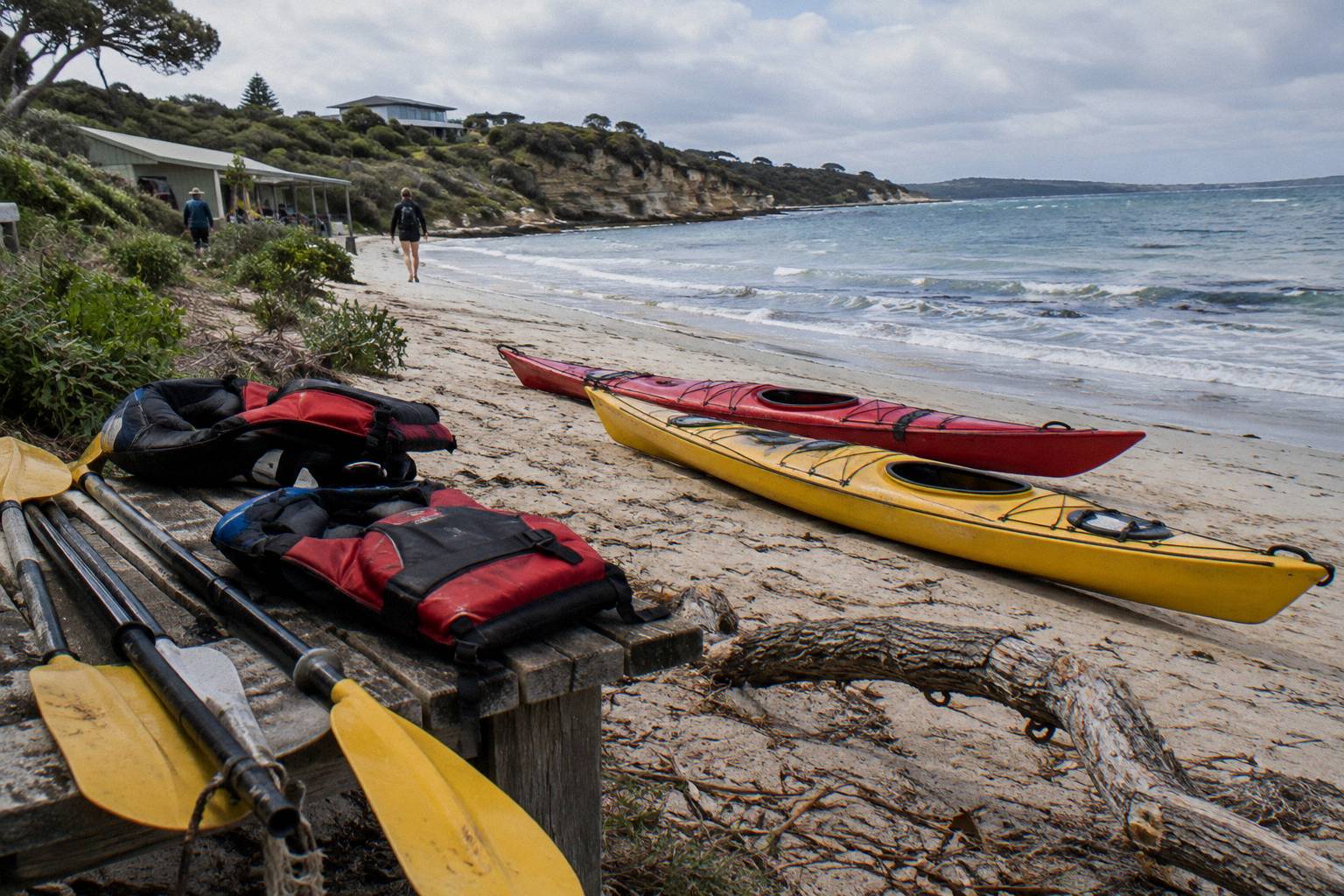
For a fuller picture of the salt water options, sea kayaking on Port Phillip Bay walks the bay trips in detail, and kayaking with dolphins near Melbourne covers the dolphin side, distances and rules included.
Common Questions About Port Phillip Bay Water Temperature For Kayaking
What Is The Water Temperature Of Port Phillip Bay?
No official monthly water temperature series exists for the bay. The one verified fact is directional: the bay is enclosed and shallow, warmer than the open ocean in summer and colder in winter. Plan from air temperature data and the operator's gear list instead.
Is Port Phillip Bay Warm Enough To Kayak In Winter?
Winter trips run, with a July mean maximum air temperature of 14.5 °C in the Bureau of Meteorology record. The sea operators supply the key gear, wetsuits on the Apollo Bay trip, thermals and a spray jacket on the Twilight Kayak, and every operator supplies life jackets. Bring a beanie and a change of clothes.
Which Month Has The Best Weather For A Bay Paddle?
February leads the record for warm and dry, a 25.9 °C mean maximum over 3.6 rain days, with March close behind at 24.3 °C over 5.2 rain days. October is the wettest month at a 68.0 mm mean. These are air figures from an 11 year record, not forecasts for your date.
Can I Check Water Quality Before A Bay Trip?
Yes. The EPA Beach Report publishes daily forecasts for named bay sites, updated at 3:00pm, rated for example "Good, stormwater pollution unlikely". Check it for your beach and your day before you leave.
What Should I Wear Kayaking On The Bay?
Weather appropriate clothing, a sun hat or beanie, sunglasses, a water bottle and a change of clothes. The operators state no special clothing is required for the city trips; the Apollo Bay trip supplies wetsuits, helmets and PFDs, and Twilight supplies thermals and a spray jacket. Dry bags are supplied on the city trips.
Do I Need My Own Lifejacket For A Bay Trip?
No. Every operator covered here supplies life jackets. Wearing one is mandatory in a kayak on all Victorian waters under Safe Transport Victoria rules, and the 400 m from shore exemption applies to stand up paddleboards, kiteboards and sailboards only, never kayaks.